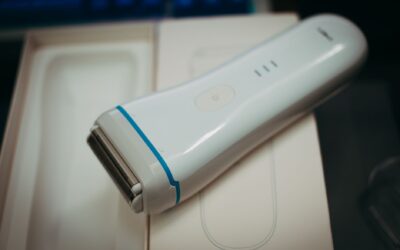

An epilator breaks hair instead of pulling it out when the hair is too short, the tweezers are dull, or you are using the wrong angle against the skin. This happens because the device cannot grip the hair firmly enough to extract it from the root, so it snaps the shaft instead. The result is stubbly regrowth and frustration, but the problem is almost always fixable with a few adjustments to your prep and technique.
Hair Is Too Short for the Epilator to Grip
Epilators need hair to be at least 2 to 5 millimeters long to grab it properly. If you epilate too soon after shaving or waxing, the hair is too short for the tweezers to close around it. Instead of pulling from the root, the device snaps the tip off, leaving a rough surface.
Wait until the hair is visible above the skin, about the length of a grain of rice. For most people, that means waiting 3 to 7 days after your last hair removal session. Shorter hair also increases the risk of ingrown hairs because the broken tip grows back under the skin.
Dull or Worn Out Tweezers
Over time, the tiny tweezers inside an epilator head lose their sharp edges. A dull tweezer cannot close tightly enough to hold the hair shaft, so it pinches and breaks the hair rather than pulling it out. This is one of the most common reasons for hair breakage after months of regular use.
Most epilator manufacturers recommend replacing the head every 6 to 12 months, depending on how often you use the device. If you notice more breakage than usual, a new head may restore the grip. Some models also have a cleaning brush to remove debris that can dull the tweezers.
Wrong Angle Against the Skin
Epilators work best when held at a 90-degree angle to the skin, not tilted. If you hold the device at an angle, the tweezers cannot align properly with the hair growth direction. They may catch only part of the hair, breaking it instead of pulling it cleanly.
Always glide the epilator slowly against the direction of hair growth. Keep the head flat against your skin and avoid pressing too hard. Pressing harder does not improve grip; it only irritates the skin and can cause the tweezers to bend out of alignment.
Insufficient Skin Tension
Loose skin allows the epilator to push the hair sideways instead of lifting it for extraction. When the skin is not taut, the tweezers may grab the hair at an angle that snaps it. This is especially common on areas like knees, ankles, and underarms.
Stretch the skin flat with your free hand as you epilate. For legs, pull the skin upward behind the device. For underarms, raise your arm and pull the skin tight. Tension gives the tweezers a clean entry point and reduces breakage.
Speed Setting Too High
Many epilators offer two speed settings. The high speed is designed for larger areas like legs, but it can be too aggressive for fine or short hair. The faster rotation may cause the tweezers to close before the hair is fully inside, snapping it rather than pulling it.
Switch to the low speed setting for sensitive areas or when hair is on the shorter side. Slower rotation gives the tweezers more time to capture the full hair shaft. You may need to make more passes, but breakage should drop significantly.
Dirty or Clogged Epilator Head
Dead skin cells, oil, and product residue can build up between the tweezers over time. This buildup prevents the tweezers from closing fully, so they pinch the hair rather than pulling it. A clogged head also reduces the device’s overall efficiency.
Clean the epilator head after every use according to the manufacturer’s instructions. Most heads are removable and can be rinsed under warm water or brushed with the included cleaning tool. Let the head dry completely before reassembling to prevent bacterial growth.
How to Fix an Epilator That Breaks Hair
- Wait until hair is at least 2 to 5 mm long before epilating.
- Replace the epilator head if it is more than 6 months old or showing signs of wear.
- Hold the device at a 90-degree angle and glide against hair growth.
- Stretch the skin taut with your free hand while epilating.
- Use the low speed setting for shorter or finer hair.
- Clean the epilator head after each use to remove residue.
If you have tried all of these fixes and still experience breakage, you may need a different epilator design. Devices with wider heads or more tweezers can grip hair more effectively. For a curated selection of epilators suited to different hair types, visit our epilator category for reviews and comparisons.
Related Guides
Top-Rated Replacement Picks
If the fixes above don’t solve the problem, or your current epilator is simply worn out, these well-reviewed options are worth a look.



Pros
- Versatile 2-in-1 design covers all body areas with interchangeable heads.
- Gentle on skin with protective guard and skin-friendly materials.
- Long battery life for multiple sessions on a single charge.
- LED light enhances visibility for precise grooming.
- Affordable price point for a feature-rich hair removal device.
Cons
- Full charge takes 2 hours, which may be inconvenient for last-minute use.
- Shaver head may not provide as close a shave as a dedicated razor.
- No storage case included for travel protection of the device and heads.
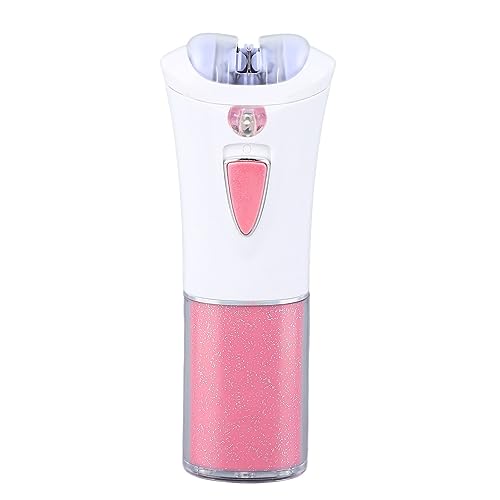
The ChronoNest 2-in-1 Epilator and Shaver is a versatile hair removal device designed for women who want salon-quality results at home. It caters to all body areas including face, underarms, legs, and bikini line, making it a practical all-in-one grooming tool. Whether you are a frequent traveler or simply prefer cordless convenience, this rechargeable device delivers lasting smoothness with minimal fuss.
Standout features include the triple-tweezer epilator head that removes even the shortest hairs for weeks of smoothness, and the gentle shaver head with a protective guard to prevent nicks and irritation. The built-in LED light is a thoughtful addition, brightening hard-to-see areas for precise hair removal. In real-world use, the device glides comfortably over the skin, and the included trimming accessory helps manage longer hair before epilation to avoid tugging.
Design and build quality are solid for the price point. The pink finish is sleek and compact, and the USB rechargeable battery offers 60 minutes of use after a 2-hour charge. The detachable heads are easy to clean with the provided brush, ensuring hygiene. However, the lack of a travel case means you will need to store the heads separately to keep them clean during trips.
Potential drawbacks include the relatively long charging time and the fact that the shaver head does not provide as close a shave as a dedicated razor. Some users may find the epilation process slightly uncomfortable at first, though the gentle design minimizes discomfort. Additionally, the device is best for regular maintenance rather than heavy-duty hair removal.
Overall, the ChronoNest 2-in-1 Epilator and Shaver offers excellent value for its affordable price. It combines versatility, gentle performance, and travel-friendly features, making it a smart choice for women seeking a reliable, all-in-one hair removal solution. While it has minor limitations, its benefits far outweigh them for everyday use.

Frequently Asked Questions
Why does my epilator break hair instead of pulling it?
The most common reasons are hair that is too short, dull tweezers, wrong angle, loose skin, or a clogged head. Each cause interferes with the tweezers’ ability to grip the hair shaft fully, causing it to snap instead of being extracted from the root.
Can I sharpen the tweezers on an epilator?
No, the tweezers are precision-made and cannot be sharpened at home. Attempting to file or sand them will damage the alignment and make breakage worse. The only reliable fix is to replace the epilator head with a new one.
How long should hair be for epilation to work?
Hair should be at least 2 to 5 millimeters long, roughly the length of a grain of rice. Shorter hair cannot be gripped properly, leading to breakage. If you are switching from shaving, wait 3 to 7 days before your first epilation session.
Does epilating cause ingrown hairs?
Epilating can cause ingrown hairs if hair is broken off instead of pulled cleanly. Broken hair may grow back under the skin. Exfoliating regularly and using proper technique reduces the risk significantly. Ingrown hairs are more common with short or curly hair.
Should I epilate on wet or dry skin?
It depends on your epilator model. Some are designed for dry use only, while others are waterproof and work better with wet skin or shaving foam. Wet epilation can reduce breakage because the skin is softer and hair is more pliable. Check your device’s manual to see which method is recommended.
If your epilator consistently breaks hair despite trying these fixes, the device may not be the right match for your hair type. For a thorough breakdown of epilator features and performance, browse our epilator reviews to find a model that suits your needs.