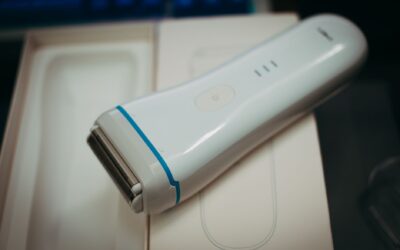

If your electric shaver is pulling hair, the most likely cause is a combination of dull blades and insufficient lubrication. You may also be using too much pressure or shaving against the grain too aggressively. Understanding why your electric shaver pulling hair happens can help you correct the problem quickly and get back to a smooth, comfortable shave. Below are the specific causes and solutions you can try.
Dull Blades Are the Most Common Cause
When the blades on your electric shaver become dull, they no longer cut the hair cleanly. Instead, they grab and yank the hair before cutting it, which creates a painful pulling sensation. This is especially common if you have not replaced the blades or foil in the past 12 to 18 months.
Dull blades also cause irritation and uneven results. You may notice that you have to go over the same area multiple times to get a close shave, which only increases the pulling and discomfort. Replacing the cutter and foil at regular intervals is the most effective fix for this issue.
Shaving on Dry Skin Increases Friction
Electric shavers are designed to work on clean, dry skin, but that does not mean your skin should be completely unprepared. If your skin is dry and lacks any natural moisture, the shaver head can stick and tug at the hairs instead of gliding smoothly.
You can reduce friction by using a pre shave lotion or powder specially made for electric shavers. These products help the shaver head move easily across your skin and lift the hairs for a cleaner cut. Avoid applying any water based products right before dry shaving, as they can clog the blades.
Using Too Much Pressure
Pressing the shaver hard into your skin might seem like it will get a closer shave, but it actually makes pulling worse. When you apply excessive pressure, the foil flexes and pinches the hairs before they are cut. This can cause the hair to be pulled rather than sliced cleanly.
Instead, use light, gentle strokes and let the weight of the shaver do the work. If you are used to pressing down, this may feel strange at first, but it will immediately reduce pulling and irritation. You will also extend the life of your blades and foil.
Shaving Against the Grain Too Quickly
Shaving against the direction of hair growth can give you a closer shave, but it also increases the risk of pulling. When you rush and go against the grain without first trimming with the grain, the shaver may catch longer hairs and yank them out.
The better approach is to first shave in the direction of hair growth to shorten the hair, then go across the grain for a closer finish. Save against the grain for only the final pass if needed. This three pass method reduces pulling and minimizes skin irritation.
Hair Is Too Long for Your Shaver
Most electric shavers are designed to trim short to medium length hair, not long hair. If you have not shaved for several days or a week, the longer hairs can become trapped between the blades and the foil. Instead of being cut, they get pulled.
Before using your electric shaver on longer hair, use a trimmer attachment or a separate beard trimmer to reduce the hair length to a few millimeters. This simple step prevents the shaver from having to handle excessive hair length and stops pulling before it starts.
Sensitive Skin or Ingrown Hairs
If your skin is sensitive or prone to ingrown hairs, the pulling sensation may be more noticeable. Conditions like razor bumps or folliculitis can make the hair follicles more susceptible to being tugged. In these cases, the problem may be partly due to how your skin reacts to shaving.
Using an electric shaver with a hypoallergenic foil or a pre shave product designed for sensitive skin can help. You should also exfoliate gently once or twice a week to reduce the risk of ingrown hairs that can catch on the blades. If irritation persists, switch to a foil shaver with a closer cutting head.
How to Fix an Electric Shaver That Pulls Hair
- Replace dull blades and foil every 12 to 18 months or sooner if you notice pulling.
- Apply a pre shave lotion or powder to reduce friction before dry shaving.
- Use light, gentle pressure and let the shaver glide over your skin.
- Shave with the grain first, then across, and only against the grain if needed.
- Trim long hair with a beard trimmer before using the electric shaver.
- Exfoliate regularly to prevent ingrown hairs that can cause pulling.
If you have tried these fixes and still experience pulling, it may be time to consider a different type of shaver or a model better suited to your hair type and skin sensitivity. For more guidance on choosing the right electric shaver, visit our dedicated Electric Shavers category for detailed advice and recommendations.
Related Guides
- Best Electric Shavers Under $50 for 2026
- Top Electric Shavers with Charging Station for 2026
- Best Electric Shavers with Long Battery Life for 2026
Frequently Asked Questions
Why does my electric shaver pull my hair instead of cutting it?
Pulling usually happens when the blades are dull, the foil is worn, or the hair is too long for the shaver. It can also occur if you press too hard or shave against the grain too quickly. Addressing each of these factors will reduce pulling significantly.
Can a dull blade cause an electric shaver to pull hair?
Yes, dull blades are the single most common cause of pulling. When blades become blunt, they cannot cut cleanly and instead grab and yank the hair. Replacing the blade set and foil restores a smooth cutting action.
Should I use shaving cream or gel with an electric shaver?
Most electric shavers are designed for dry use only. Using shaving cream or gel can clog the blades and cause pulling or damage. Some models are labeled wet/dry and allow shaving cream, but always check your shaver manual before applying any product.
How often should I replace the blades and foil on my electric shaver?
Manufacturers typically recommend replacing the blades and foil every 12 to 18 months. However, if you shave daily or have thick hair, you may need to change them sooner. Signs it is time include pulling, irritation, and needing multiple passes.
Is it better to shave wet or dry to avoid pulling?
For most electric shavers, dry shaving is recommended because wet conditions can create friction and clog the blades. If you prefer a wet shave, use a model specifically labeled wet/dry and a pre shave product designed for wet use. Dry shaving with proper preparation typically causes less pulling.
Addressing the causes of electric shaver pulling hair starts with regular maintenance and proper technique. If you want to explore shavers that are less likely to pull, check out the Electric Shavers category for tailored options for your hair type.