
If your epilator is pulling hair but not removing it, the most common reason is that the tweezing discs or springs have become dull or misaligned, causing them to grip hair without enough force to pull it out from the root. Other possible causes include using the device on hair that is too short, moving it too quickly over the skin, or holding it at the wrong angle. Understanding the specific cause will help you correct the problem and get back to smooth, long-lasting results.
Dull or Worn Tweezing Discs or Springs
Over time, the tiny metal discs or coiled springs inside the epilator head lose their sharpness. Instead of clamping down firmly on each hair, they slip or only partially grip it. This is the most frequent reason an epilator pulls hair without extracting it.
Most epilator heads are designed to be replaced after several months of regular use. If you have been using yours for a while without changing the head, the tweezers are likely worn out. Check your device’s manual for the recommended replacement interval.
Hair Length Too Short
Epilators need hair to be at least a certain length to grip it properly, typically around 2 to 5 millimeters. If you try to epilate stubble that is too short, the discs cannot get a solid hold and will simply slide over the hair or tug without pulling it out.
Let your hair grow out for a few days before your next session. The extra length gives the epilator enough surface area to clamp and remove each hair from the root.
Incorrect Angle or Speed
Holding the epilator at the wrong angle reduces its ability to catch hairs. Most devices work best when held perpendicular to the skin, with the head flat against the surface. Tilting it too much causes the discs to skim over hair instead of plucking it.
Speed also matters. Moving the epilator too quickly gives the discs less time to trap each hair. Slow, steady strokes allow the mechanism to work as intended. If your epilator has variable speed settings, use a lower speed on sensitive areas.
Clogged or Dirty Epilator Head
Dead skin cells, hair fragments, and dried lotion can build up between the tweezing discs over time. This debris prevents the discs from closing fully, so they cannot clamp hair tightly enough to remove it.
Clean the epilator head regularly according to the manufacturer’s instructions. A quick rinse under warm water or a gentle scrub with a soft brush usually restores full movement. Let it dry completely before using it again.
Skin Not Held Taut
When the skin is loose, the epilator may push the hair follicle sideways instead of pulling it straight out. This can cause the hair to break or simply be tugged without extraction.
Use your free hand to stretch the skin tight in the area you are epilating. Keeping the skin flat and firm gives the discs a better angle to grip each hair at the root.
Low Battery or Power Issue
A weakening battery can reduce the motor speed and the force with which the discs close. If your epilator is cordless and has not been charged recently, it may still spin but lack the torque to pluck effectively.
Charge the device fully or, if it is corded, check that the power cord is securely connected. A full charge restores the motor to its intended speed and pulling power.
Hair Type and Thickness
Very coarse or thick hairs can be harder for some epilators to remove, especially if the tweezing discs are not designed for heavy hair. Conversely, very fine or vellus hairs may be too thin for the discs to catch reliably.
If you consistently struggle with a specific hair type, consider whether your epilator model is suited to that texture. Some devices include different head attachments or speed settings for coarse versus fine hair.
How to Fix an Epilator That Pulls Hair Without Removing It
- Replace the epilator head if the discs feel dull or have been used beyond the recommended lifespan.
- Wait until hair is at least 2 to 5 mm long before epilating.
- Hold the device at a 90-degree angle to the skin and move it slowly.
- Clean the head thoroughly to remove any buildup.
- Stretch the skin taut with your free hand during use.
- Fully charge the epilator before each session.
- If hair type is the issue, look for an epilator designed for coarse or fine hair (see the epilator category on this site for guidance).
If none of these fixes resolve the problem, the epilator itself may be defective or simply past its useful life. In that case, browsing the epilators category on this site can help you find a replacement that better suits your needs.
Related Guides
Top-Rated Replacement Picks
If the fixes above don’t solve the problem, or your current epilator is simply worn out, these well-reviewed options are worth a look.



Pros
- Versatile 2-in-1 design covers all body areas with interchangeable heads.
- Gentle on skin with protective guard and skin-friendly materials.
- Long battery life for multiple sessions on a single charge.
- LED light enhances visibility for precise grooming.
- Affordable price point for a feature-rich hair removal device.
Cons
- Full charge takes 2 hours, which may be inconvenient for last-minute use.
- Shaver head may not provide as close a shave as a dedicated razor.
- No storage case included for travel protection of the device and heads.
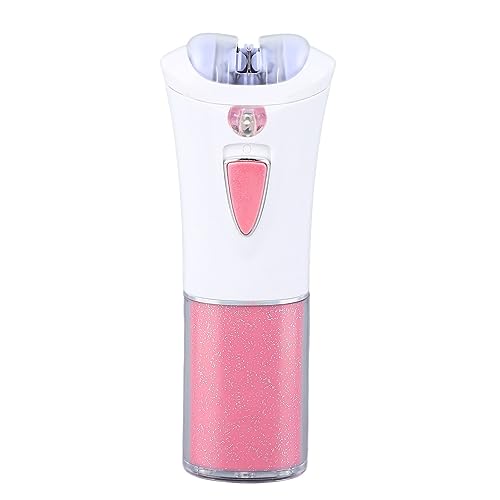
The ChronoNest 2-in-1 Epilator and Shaver is a versatile hair removal device designed for women who want salon-quality results at home. It caters to all body areas including face, underarms, legs, and bikini line, making it a practical all-in-one grooming tool. Whether you are a frequent traveler or simply prefer cordless convenience, this rechargeable device delivers lasting smoothness with minimal fuss.
Standout features include the triple-tweezer epilator head that removes even the shortest hairs for weeks of smoothness, and the gentle shaver head with a protective guard to prevent nicks and irritation. The built-in LED light is a thoughtful addition, brightening hard-to-see areas for precise hair removal. In real-world use, the device glides comfortably over the skin, and the included trimming accessory helps manage longer hair before epilation to avoid tugging.
Design and build quality are solid for the price point. The pink finish is sleek and compact, and the USB rechargeable battery offers 60 minutes of use after a 2-hour charge. The detachable heads are easy to clean with the provided brush, ensuring hygiene. However, the lack of a travel case means you will need to store the heads separately to keep them clean during trips.
Potential drawbacks include the relatively long charging time and the fact that the shaver head does not provide as close a shave as a dedicated razor. Some users may find the epilation process slightly uncomfortable at first, though the gentle design minimizes discomfort. Additionally, the device is best for regular maintenance rather than heavy-duty hair removal.
Overall, the ChronoNest 2-in-1 Epilator and Shaver offers excellent value for its affordable price. It combines versatility, gentle performance, and travel-friendly features, making it a smart choice for women seeking a reliable, all-in-one hair removal solution. While it has minor limitations, its benefits far outweigh them for everyday use.

Frequently Asked Questions
Why does my epilator pull hair but not pluck it out?
The most common reasons are dull tweezing discs, hair that is too short, or incorrect technique. Check each cause in this guide to identify which one applies to your situation.
Can I sharpen the discs on my epilator?
No, the discs are not designed to be sharpened. Once they become dull, the only effective solution is to replace the epilator head or the entire device if the head is not replaceable.
Should I epilate in the shower or on dry skin?
Most epilators are designed for dry skin. Wet epilation can cause the discs to slip and reduce grip. Check your device’s manual; some models are waterproof, but even then, dry skin usually gives better results.
How often should I replace the epilator head?
Manufacturers typically recommend replacing the head every 3 to 6 months, depending on frequency of use. If you notice more tugging than plucking, it is time for a new head.
Is it normal for an epilator to miss some hairs?
Yes, even a well-functioning epilator may miss a few hairs, especially if they are very fine or short. Consistent technique and proper preparation reduce the number of misses significantly.
If your epilator is pulling hair without removing it, the fix is usually straightforward: check the discs, adjust your technique, or replace worn parts. For a deeper look at choosing a reliable epilator that avoids these issues, browse the epilators category on this site.