
Hair gets stuck in a curling iron primarily because the barrel is too hot, the hair is dry or damaged, or the styling technique is creating friction. Immediate steps to free the hair without breaking it include turning off the iron, letting it cool, and gently sliding the hair out using a fine-tooth comb or oil-based serum. Preventing future snags starts with proper heat protection and sectioning.

Pros
- Fast 10-second heat-up and quick curl creation save time compared to manual wands.
- Even wrap with anti-scald protection reduces the risk of burns and hair damage.
- Three heat settings provide versatility for different hair types and styling preferences.
- Dual voltage and auto shut-off add convenience and peace of mind for travelers.
- Compact and lightweight design is easy to pack and handle.
Cons
- Not recommended for very fine, thin, or short hair; requires enough length and body for the chamber to grip.
- Some practice needed to find the right section size; taking too much hair at once can stall rotation.
- Lacks a swivel cord or cool tip, which could be inconvenient for some users.
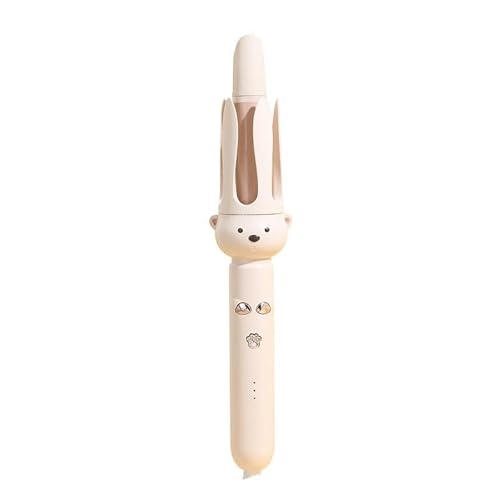
The O-CONN PretiHom Automatic Rotating Curling Iron & Wand is a modern take on the classic curling iron, designed to simplify the curling process for users with long hair. It targets those with below-shoulder to mid-back length hair in normal to thick density, offering a hands-free approach to creating uniform curls. The automatic rotating chamber sets it apart from traditional wands, making it especially appealing for busy individuals seeking efficient styling.
At the core of its performance is the one-click auto rotation feature, which wraps a 1-inch section of dry, detangled hair smoothly and evenly. Users may need a few practice runs to master the section size, but once dialed in, each curl takes about 10 seconds. The 410°F maximum heat with three adjustable settings allows tailoring to different hair textures, while the tourmaline ceramic barrel promotes shine and reduces frizz. In real-world use, the curls hold well throughout the day when paired with a heat protectant and light hold spray, though results vary with hair type.
The design emphasizes safety and portability. The 360° anti-scald shield keeps your hands and face away from the hot barrel, a significant upgrade over manual wands. The slim, lightweight body (0.95 pounds) and dual voltage support make it travel-friendly, and the auto shut-off feature provides peace of mind. However, the rotating mechanism requires the chamber to grip hair properly: very fine or thin hair, or hair shorter than shoulder length, may not work well. The lack of a swivel cord is a minor ergonomic drawback.
Potential drawbacks include a learning curve with section size and the risk of stalling if too much hair is inserted. Also, those with hip-length or extremely thick hair may find the chamber struggles to grip. These limitations are clearly stated by the manufacturer, so buyers should measure their hair length and thickness before purchasing. Despite these caveats, for the target audience, the tool delivers consistent, salon-like curls with minimal effort.
Verdict: The O-CONN PretiHom Automatic Rotating Curling Iron is a solid choice for anyone with shoulder-to-mid-back hair who wants quick, even curls without the manual twisting. Its safety features, fast heat-up, and adjustable settings outweigh the learning curve, making it a valuable addition to a styling routine. Just ensure your hair length and thickness match the recommended guidelines for best results.

Pros
- Versatile 5-in-1 design for multiple styling options
- Fast 30-second heat-up with adjustable temperatures
- Dual voltage for international travel
- Negative ions reduce frizz and add shine
- Includes accessories for convenient styling
Cons
- Limited temperature range on some attachments (curling brush lower heat)
- No auto shut-off feature for safety
- Ceramic coating may wear over time with heavy use
The Lopeie 5-in-1 Curling Iron Set is a versatile styling kit designed for users who want multiple hair tools in one package. It includes a tapered curling wand, a small wand, a thermal brush, a curling iron with clip, and a flat iron, making it suitable for both curling and straightening on different hair lengths. This set is ideal for beginners and travelers seeking a complete solution without buying separate tools.
Standout features include 30-second rapid heat-up with two temperature settings, allowing you to adjust heat based on hair type. The ceramic coating ensures even heat distribution and reduces static, while negative ion technology helps lock in moisture and reduce frizz. In real-world use, the tools heat quickly and produce consistent curls or straight styles with minimal damage when used with a heat protectant.
The design is thoughtful with a 360-degree swivel cord that prevents tangling, and all attachments are easy to swap. The rose gold finish adds a stylish touch. The included accessories like a heat-resistant glove, clips, ties, and comb make styling more convenient, especially for beginners. The dual voltage feature allows worldwide use, a bonus for frequent travelers.
However, there are some drawbacks. The temperature range varies between attachments, with the curling brush limited to 302-356°F, which may not be hot enough for very thick hair. Also, there is no auto shut-off feature, so you must remember to turn it off after use. The ceramic coating may degrade over time with heavy use, though this is common in this price range.
Overall, the Lopeie 5-in-1 Curling Iron Set offers excellent value for its versatility and performance. It is a practical gift for women and a reliable tool for daily styling or travel. While it has minor limitations, the combination of features and accessories makes it a strong choice for anyone seeking an all-in-one hair styling solution.


Why High Heat Causes Hair to Stick
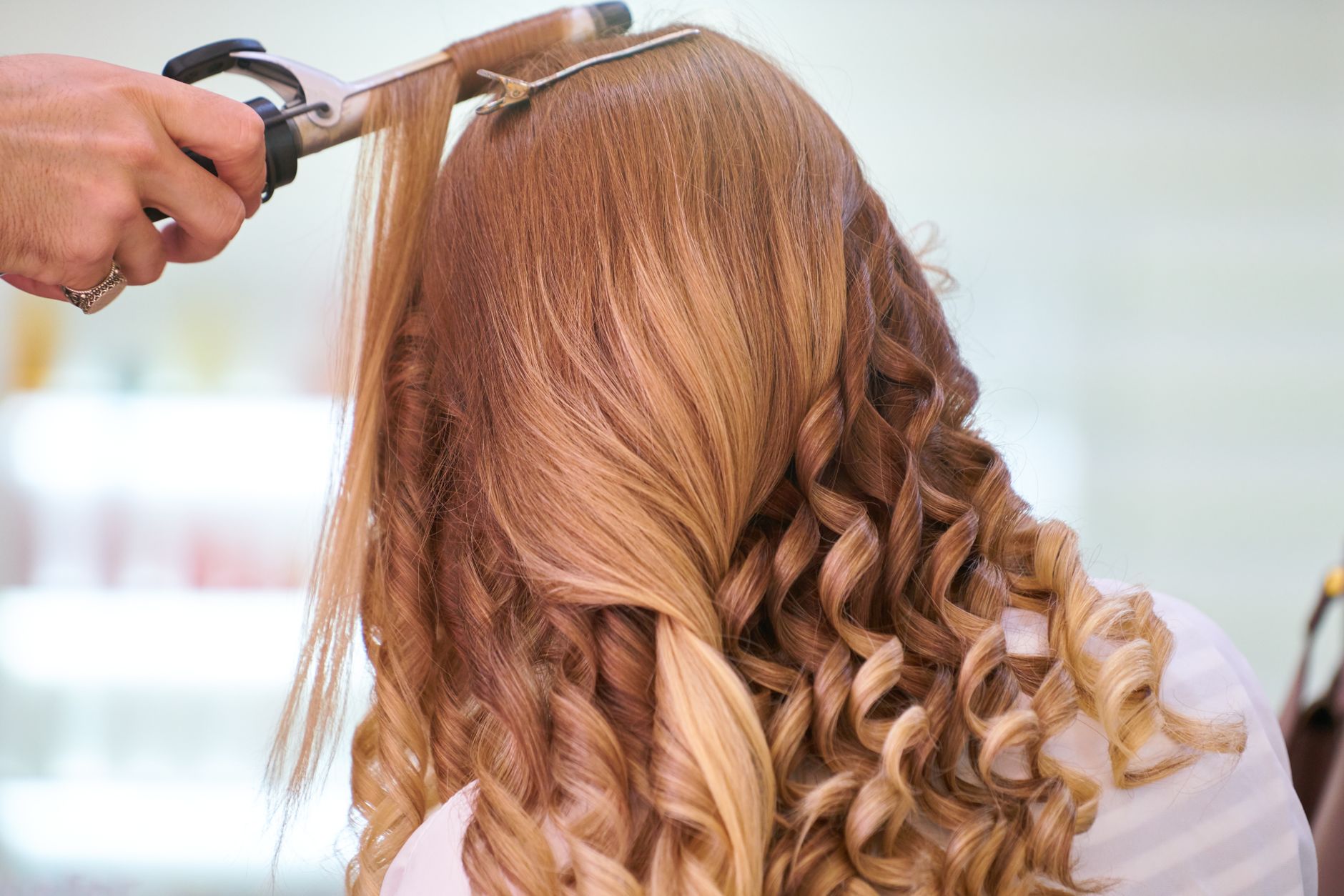
When the barrel temperature exceeds your hair’s tolerance, the outer cuticle layer can soften and bond to the metal surface. This is especially common with fine or chemically treated hair that has thinner protective layers. The bond forms quickly, so even a few seconds of contact on an overheated barrel can trap strands.
Using a heat protectant spray before styling creates a barrier that reduces direct contact. But if you’re already using high heat, the barrier may not be enough to prevent sticking. Lowering the temperature to match your hair type is the most effective prevention.
Damaged or Dry Hair Snags More Easily
Hair with raised cuticles caused by overprocessing, bleaching, or heat styling has a rough surface that catches on the barrel. The friction from pulling the tool through damaged hair increases the chance of snagging. Dry hair also lacks the natural moisture that helps it glide smoothly.
Regular deep conditioning treatments and trimming split ends keep the cuticle flat and smooth. If your hair is already dry, applying a lightweight leave-in conditioner before styling can reduce friction without weighing down curls.
Incorrect Wrapping Technique
Wrapping hair too tightly around the barrel or overlapping sections creates tension that traps strands. The same happens if you hold the iron stationary while the hair is wound, rather than sliding it down the section. Hair that is pulled taut against the barrel has more surface area in contact, making it easier to snag.
Avoid wrapping hair more than once around the barrel if you have fine or short hair. Use a light, even tension and release the curl as soon as it’s set. Practice with a cool iron to get the technique right before using heat.
Product Buildup on the Barrel
Over time, hair sprays, gels, and serums accumulate on the curling iron’s surface. This sticky residue acts like glue when heated, grabbing hair as it passes over. The buildup can also cause uneven heat distribution, leading to hot spots that increase sticking.
Wiping the barrel with a damp cloth after each use prevents buildup. If residue is already present, clean the iron with a mixture of water and rubbing alcohol on a soft cloth, then dry it completely. A clean barrel glides much more smoothly.
Hair Type and Texture Considerations
Fine, thin, or chemically relaxed hair has less structural integrity to resist heat, so it sticks more readily. Naturally curly or coily hair may also snag if it is not detangled thoroughly before wrapping. The curl pattern itself can create friction points that catch on the barrel.
Always detangle hair with a wide-tooth comb before styling, and use a thermal protectant designed for your specific hair type. For very fine hair, a lower heat setting and a ceramic barrel that distributes heat evenly can make a big difference.
How to Fix Stuck Hair Safely
- Turn off the curling iron immediately and let it cool to room temperature.
- Apply a few drops of coconut or argan oil to the stuck area to lubricate the strands.
- Gently slide a fine-tooth comb or a tail comb between the hair and the barrel, working from the ends toward the base.
- If the hair is still stuck, use a pair of scissors to cut the trapped strands as a last resort, but only cut the hair that is actually caught.
- Never yank or pull on the hair, as this can break the strands or damage the iron.
If you find that product buildup is a recurring issue, a thorough cleaning of your styler can prevent future snags. Our guide on how to clean a hair styler walks you through the process with safe methods for different barrel materials.
Frequently Asked Questions
What should I do if my hair is stuck in a curling iron?
Turn off the iron and let it cool completely. Apply a lightweight oil to the stuck area to reduce friction, then gently comb the hair out from the ends toward the barrel. If that doesn’t work, use scissors to cut only the trapped strands, avoiding the rest of your hair.
Can I cut the hair out of a curling iron?
Yes, cutting the hair is a last resort but sometimes necessary. Use sharp scissors to snip the strands that are actually caught on the barrel, being careful not to cut nearby hair. This is safer than pulling, which can cause breakage or damage the iron’s coating.
Why does my hair burn when using a curling iron?
Burning happens when the barrel temperature is too high for your hair type, or when the hair is left in contact too long. The burning sensation is caused by the protein in the hair denaturing, which can also lead to sticking. Always use a heat protectant and lower the temperature if you feel burning.
How do I prevent hair from getting stuck in a curling iron?
Use a heat protectant, keep the barrel clean, and style at the right temperature for your hair. Avoid wrapping hair too tightly, and always detangle thoroughly before styling. Regular deep conditioning also helps keep the cuticle smooth, reducing friction.
Is it safe to use oil on a hot curling iron?
No, never apply oil to a hot barrel because it can cause smoke or burns. Always let the iron cool completely before using any lubricant. Once cool, apply a small amount of oil to the stuck area, not directly to the barrel, to avoid residue buildup.
Related Guides
Final Thoughts
Hair stuck in a curling iron usually results from high heat, damaged hair, or improper technique, and you can resolve it safely by cooling the iron and using a lubricant. To prevent future snags, pay attention to your styling habits and keep your tool clean. If your iron frequently overheats, our guide on hair styler overheating can help you identify and fix the root cause.