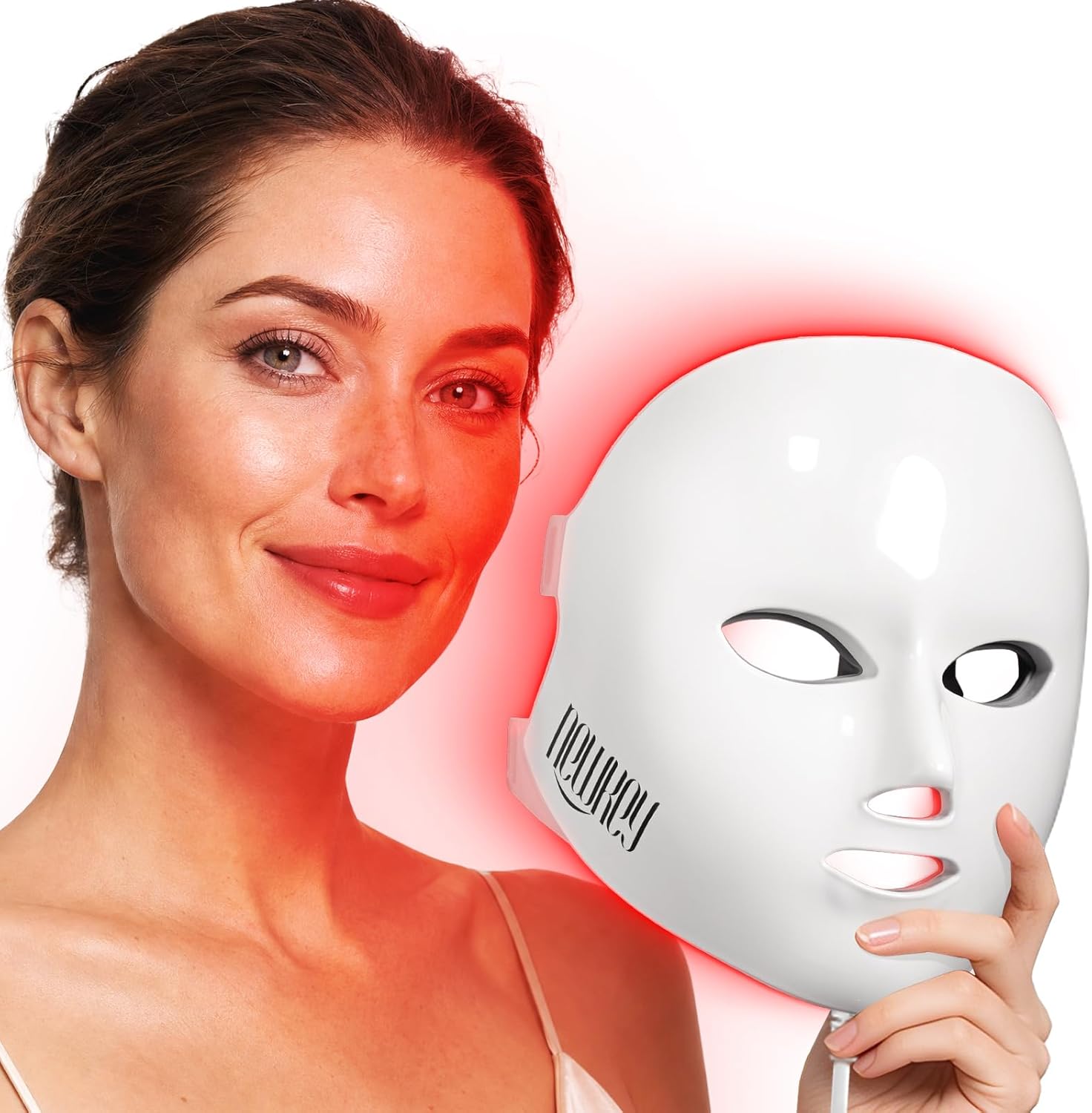

You have been eyeing LED light therapy for months, but the price tags on professional devices make you hesitate. The good news is that effective home LED face masks are now available at accessible prices, allowing you to enjoy red and near-infrared light benefits without a massive investment. This guide focuses on the best LED face masks that deliver real results while respecting your budget. Whether you are new to light therapy or looking for a cost-effective upgrade, we have you covered.
For a deeper look at entry-level options, check out our review of the best LED face masks under $100. That guide covers ultra-budget picks, while this article expands to include slightly more advanced features.
Buying Guide: What to Look for in a Budget LED Face Mask
Choosing the right LED face mask involves more than just picking the cheapest option. Focus on these key criteria to ensure you get effective therapy and lasting value.
Light Wavelengths and Colors
Most masks offer red light (around 630 to 660 nm) for collagen stimulation and anti-aging, plus near-infrared (around 810 to 850 nm) for deeper tissue repair. Some models add blue light for acne control. For a versatile mask, look for at least two wavelengths. Avoid masks that only claim one color without specifying the exact nanometer range.
If you are interested in professional-grade features, our guide to professional LED face masks compares higher-end options with more wavelength variety.
Number and Layout of LEDs
The number of LEDs influences coverage and intensity. A mask with 100 to 200 LEDs can cover the face evenly, while masks with fewer than 60 may leave gaps. Also check the layout: LEDs should be distributed across forehead, cheeks, and chin. Some budget masks cluster LEDs in the center, missing the jawline.
For a comparison of coverage quality, read our review of top LED facial masks that highlights models with superior LED arrangements.
Comfort and Fit
A mask that slips or feels heavy will discourage regular use. Look for adjustable straps, lightweight materials, and a contoured design that sits close to the skin. Silicone or flexible plastic masks tend to be more comfortable than rigid ones. Also consider whether the mask allows you to lie down or move around during treatment.
Treatment Time and Ease of Use
Most LED masks recommend 10 to 20 minute sessions. Some have automatic timers and shut-offs for safety. A simple one-button control is ideal for daily use. Avoid masks with complicated settings if you prefer a quick routine. Also check if the mask is cordless or requires a wired connection to a controller.
For more tips on integrating light therapy into your routine, see our article on the best at-home LED face masks.
Final Thoughts
Finding the best LED face mask under $150 is about balancing wavelength quality, LED count, and comfort. While no single mask is perfect for everyone, the current market offers several strong contenders that provide noticeable skin improvements without a luxury price tag. We recommend focusing on models with at least two wavelengths and a comfortable fit, as these will give you the most consistent results over time. For those new to light therapy, starting with a well-reviewed budget-friendly mask is a smart way to experience the benefits before considering an upgrade.
Related Guides
- Best LED Face Masks for Radiant Skin in 2026
- Top Black Friday LED Face Mask Deals for 2026
- Best LED Face Masks for Uneven Skin Tone in 2026
Frequently Asked Questions
How often should I use an LED face mask?
Most manufacturers recommend using the mask 3 to 5 times per week for 10 to 20 minutes per session. Consistency is more important than duration. You can adjust frequency based on your skin’s response.
Can I use an LED mask if I have sensitive skin?
Yes, LED light therapy is generally safe for sensitive skin because it is non-invasive and does not generate heat like some other treatments. Start with shorter sessions (5 to 10 minutes) and observe how your skin reacts. Avoid using blue light if you have conditions like rosacea, as it may cause irritation.
Do LED face masks really work for anti-aging?
Clinical studies show that red and near-infrared light can stimulate collagen production, reduce fine lines, and improve skin texture. Results are gradual and require consistent use over several weeks. A quality mask with proper wavelengths can be a valuable addition to your skincare routine.
What is the difference between red and blue light in LED masks?
Red light targets deeper skin layers to boost collagen and reduce inflammation, making it ideal for anti-aging and overall rejuvenation. Blue light works on the skin’s surface to kill acne-causing bacteria. Many masks offer both, but for anti-aging, red and near-infrared are the key wavelengths.
For more detailed comparisons, visit our LED face masks category page.