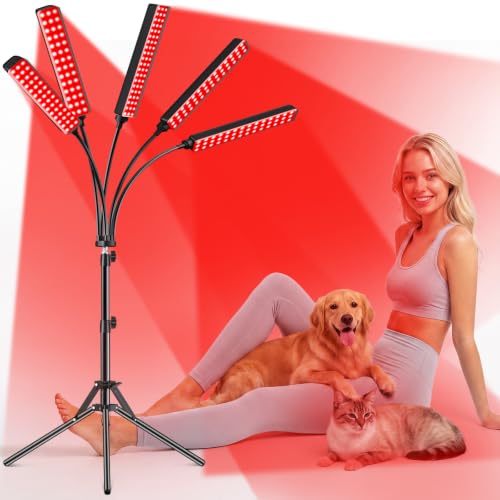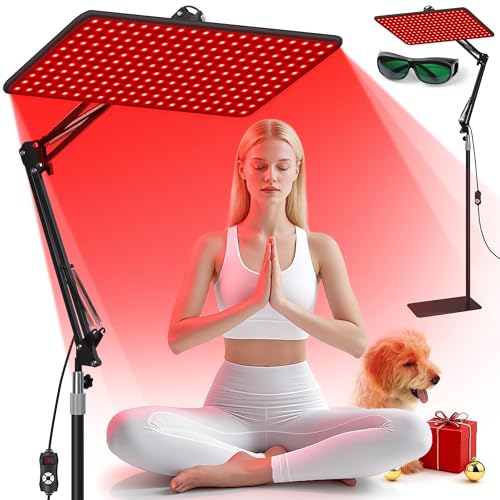

You have finally decided to bring red light therapy into your home, but the sheer number of panels on the market can feel overwhelming. Whether you want to support your skin, ease muscle tension, or simply boost your daily wellness routine, the best home red light therapy panel can make all the difference. We have evaluated dozens of models to narrow down the top contenders that deliver real value, and we are here to guide you through every detail.
This guide covers six standout red light therapy panels from trusted brands like Bestqool, Viconor, INTEO, and Hooga. We focus on the key features that matter most: wavelength options, power output, ease of use, and versatility. By the end, you will know exactly which panel fits your lifestyle, whether you are a beginner or a seasoned user. Let us light the way.


Buying Guide: What to Look For in a Home Red Light Therapy Panel
Choosing the right panel goes beyond picking the first one you see. You need to consider several technical and practical factors to ensure you get the most out of your investment. Here are the key criteria we used to evaluate each product in this review.
Wavelengths: Red vs. Near-Infrared
The wavelength determines how deep the light penetrates your skin and tissues. Red light at 660nm works on the surface to support skin health and reduce the appearance of fine lines. Near-infrared at 850nm goes deeper, targeting muscles and joints for recovery and relaxation.
Most panels offer both wavelengths, allowing you to switch between modes or combine them. If you want a versatile device, look for dual-chip LEDs that deliver both 660nm and 850nm. This combination is considered the gold standard in home red light therapy, and all the panels we reviewed offer this option.
Power and Irradiance
Power output, measured in watts, and irradiance, measured in milliwatts per square centimeter (mW/cm²), determine how effective each session is. Higher irradiance means you can achieve results in shorter sessions. For example, a panel that delivers over 100 mW/cm² at a close distance is considered high-output.
Consider the size of the area you plan to treat. If you need full-body coverage, you will want a larger panel with higher wattage. For targeted use on the face or joints, a compact panel with lower wattage may be sufficient. Always check the irradiance at a specific distance to gauge performance.
Design and Ease of Use
A good panel should fit seamlessly into your daily routine. Look for features like adjustable stands, wall-mount options, and simple controls. Some panels offer touchscreens, while others have physical buttons. Timer settings and multiple modes add convenience, allowing you to set your session and relax.
Portability is another factor. If you travel often, a lightweight panel with a detachable stand might be ideal. Conversely, if you plan to set up a permanent wellness corner at home, a larger panel with a sturdy floor stand could be better. Think about where you will use it most and choose accordingly.
Safety and Durability
Safety is non-negotiable when it comes to light therapy. Ensure the panel has proper cooling systems to prevent overheating during extended use. Look for certifications and quality materials that guarantee longevity. A reliable warranty and responsive customer support are also signs of a trustworthy brand.
Always follow the manufacturer’s guidelines for usage time and distance. Most panels recommend sessions of 10 to 20 minutes per day. If you have sensitive skin or are new to red light therapy, start with shorter sessions and gradually increase. For more insights on red light masks, check out our guide on the best red light therapy mask for rosacea.
Final Thoughts
After thoroughly evaluating all six panels, we believe the BestQool Red Light Therapy Panel stands out for its powerful 160W output and modular design, making it a top choice for full-body sessions. If you are looking for a more budget-friendly option that still delivers excellent results, the Red Light Therapy for Face and Body from Viconor offers a compact and versatile solution for targeted use. Whichever you choose, the best home red light therapy panel is the one that fits your lifestyle and wellness goals.
Related Guides
- Best Quality Red Light Therapy Panel
- Best At-Home LED Masks for Radiant Skin
- Top CurrentBody LED Mask for Wrinkles
Frequently Asked Questions
How long should I use a red light therapy panel each day?
For most users, 10 to 20 minutes per session is ideal. You can use the panel once daily, but always follow the manufacturer’s instructions. Consistency is more important than duration, so aim for regular sessions rather than long, infrequent ones.
Can red light therapy panels be used on the face?
Yes, many panels are designed for both face and body use. The red light wavelength (660nm) is particularly beneficial for skin health, promoting collagen production and reducing fine lines. For more targeted facial treatments, you might also explore our guide on the best red light therapy mask for men.
What is the difference between red light and near-infrared light?
Red light (660nm) penetrates the skin’s surface and is ideal for skin health and wound healing. Near-infrared light (850nm) goes deeper, reaching muscles and joints, making it better for recovery and pain relief. Many panels offer both, allowing you to switch between modes or combine them for comprehensive benefits.
Are home red light therapy panels safe for daily use?
Yes, when used as directed, they are generally safe. Always wear protective eyewear if the panel emits near-infrared light, and avoid looking directly at the LEDs. Start with shorter sessions and gradually increase as your skin adapts. If you have any medical conditions, consult a healthcare professional first.
For more information on red light therapy and its benefits, check out our detailed review of the FAQ 202 Plus or our guide on LED face mask colors.