
To clean an epilator, unplug it, remove the head, brush away hair and debris, then wash the head with mild soap and warm water or use a disinfectant spray. Dry every part completely before reassembling, and apply a drop of lubricating oil to the moving parts if your model recommends it. This simple routine prevents skin irritation, keeps the device working smoothly, and extends its life.
Why Cleaning Your Epilator Matters
Skipping regular cleaning lets dead skin cells, hair, and bacteria build up on the epilator head. When you use a dirty device, you risk pushing bacteria into freshly opened hair follicles, which can cause ingrown hairs and infections. A clean epilator also glides more smoothly across your skin, reducing discomfort.
Manufacturers recommend cleaning after every use, but many people only do it occasionally. Even a quick rinse or brush out between sessions makes a noticeable difference in both hygiene and performance.
What You Need Before You Start
Gather a few basic items before you begin. You will need a small cleaning brush (often included with your epilator), mild liquid soap or a dedicated epilator cleaning spray, a soft cloth or paper towel, and a lubricating oil if your epilator has moving parts that require it. Avoid harsh chemicals like bleach or alcohol concentrations above 70%, as they can damage plastic components.
Check your instruction manual for any model-specific cleaning guidelines. Some epilators are fully waterproof, while others only have a detachable head that can be rinsed. Knowing which type you have prevents accidental damage.
Step 1: Remove Hair and Debris
Start by unplugging the epilator and removing the head or cap if it is detachable. Use the small brush to sweep away loose hair tangled around the tweezers, discs, or blades. Work gently to avoid bending the tweezers. If your brush is not reaching, try a toothpick or a dry cotton swab.
Hold the head upside down while brushing so debris falls out rather than deeper into the mechanism. This step removes the bulk of the buildup before any washing.
Step 2: Disinfect the Head
Once the visible hair is gone, it is time to disinfect. If your epilator head is waterproof, rinse it under warm running water and apply a drop of mild soap. Gently rub the tweezers and the surrounding area with your fingertips, then rinse thoroughly. Do not submerge the whole device unless it is explicitly marked as waterproof.
For non-waterproof heads, use a disinfectant spray made for epilators or a diluted isopropyl alcohol solution (70% or less) on a cotton pad. Wipe down every surface of the head. Let it air dry for a few minutes before moving on.
Step 3: Lubricate Moving Parts
Many epilators benefit from a tiny drop of lubricating oil on the tweezers or discs. This reduces friction, prevents rust, and keeps the rotating mechanism quiet. Check your manual to see if lubrication is recommended and what type of oil to use. Sewing machine oil or mineral oil are common choices.
Apply one drop to the center of the tweezing area, then run the epilator for a few seconds to spread the oil evenly. Wipe away any excess with a clean cloth.
Step 4: Dry and Reassemble
Moisture is the enemy of any electronic device. After cleaning, let all parts air dry completely on a clean towel. Do not use a hair dryer or heat source, as that can warp plastic. Once dry, reattach the head securely. Store your epilator in a cool, dry place, preferably in a pouch or its original case to protect it from dust.
If you notice any rust or stubborn residue, replace the head or the entire device according to the manufacturer’s instructions.
How Often Should You Clean Your Epilator?
For the best hygiene and performance, clean your epilator after every use. At minimum, brush out hair after each session and do a deeper clean (wash and lubricate) after every three to four uses. If you have sensitive or acne-prone skin, clean it more frequently to reduce the risk of breakouts.
Regular maintenance also lets you spot worn tweezers or dull blades early, so you can replace parts before they cause irritation.
What to Do If Your Epilator Still Isn’t Clean
If you have followed the steps above and your epilator still feels sticky or looks dirty, you may need to repeat the cleaning process with a slightly longer soak in soapy water (for waterproof heads) or a stronger disinfectant wipe. Stubborn buildup sometimes requires a second pass with the brush.
For a more thorough guide on maintaining beauty tools, browse the epilator category on this site for additional tips and related articles.
Top-Rated Replacement Picks
If the fixes above don’t solve the problem, or your current epilator is simply worn out, these well-reviewed options are worth a look.



Pros
- Versatile 2-in-1 design covers all body areas with interchangeable heads.
- Gentle on skin with protective guard and skin-friendly materials.
- Long battery life for multiple sessions on a single charge.
- LED light enhances visibility for precise grooming.
- Affordable price point for a feature-rich hair removal device.
Cons
- Full charge takes 2 hours, which may be inconvenient for last-minute use.
- Shaver head may not provide as close a shave as a dedicated razor.
- No storage case included for travel protection of the device and heads.
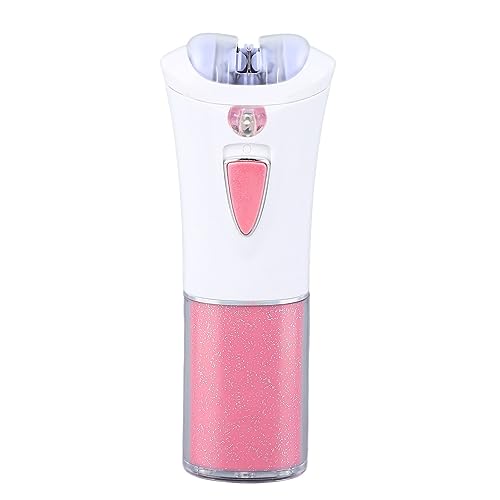
The ChronoNest 2-in-1 Epilator and Shaver is a versatile hair removal device designed for women who want salon-quality results at home. It caters to all body areas including face, underarms, legs, and bikini line, making it a practical all-in-one grooming tool. Whether you are a frequent traveler or simply prefer cordless convenience, this rechargeable device delivers lasting smoothness with minimal fuss.
Standout features include the triple-tweezer epilator head that removes even the shortest hairs for weeks of smoothness, and the gentle shaver head with a protective guard to prevent nicks and irritation. The built-in LED light is a thoughtful addition, brightening hard-to-see areas for precise hair removal. In real-world use, the device glides comfortably over the skin, and the included trimming accessory helps manage longer hair before epilation to avoid tugging.
Design and build quality are solid for the price point. The pink finish is sleek and compact, and the USB rechargeable battery offers 60 minutes of use after a 2-hour charge. The detachable heads are easy to clean with the provided brush, ensuring hygiene. However, the lack of a travel case means you will need to store the heads separately to keep them clean during trips.
Potential drawbacks include the relatively long charging time and the fact that the shaver head does not provide as close a shave as a dedicated razor. Some users may find the epilation process slightly uncomfortable at first, though the gentle design minimizes discomfort. Additionally, the device is best for regular maintenance rather than heavy-duty hair removal.
Overall, the ChronoNest 2-in-1 Epilator and Shaver offers excellent value for its affordable price. It combines versatility, gentle performance, and travel-friendly features, making it a smart choice for women seeking a reliable, all-in-one hair removal solution. While it has minor limitations, its benefits far outweigh them for everyday use.

Frequently Asked Questions
Can I use rubbing alcohol to clean my epilator?
Yes, you can use rubbing alcohol on a cotton pad to disinfect the head, but keep it to 70% or less to avoid damaging plastic. Do not soak the head in alcohol, and never use it on the motor or battery area.
How do I clean an epilator that is not waterproof?
For non-waterproof models, remove the head and clean it with a damp cloth or disinfectant wipe. Use a brush to remove hair from the base. Never rinse the main body or hold it under running water.
Should I clean my epilator before or after use?
Clean it after each use to remove skin cells and bacteria. If you share the device, a quick disinfect before use is also a good idea. Always start with a clean, dry head.
Can I put my epilator head in the dishwasher?
No, dishwasher heat and detergent will damage the plastic and tweezers. Stick to hand washing with mild soap and water or a dedicated cleaning solution.
Related Guides
Final Thoughts
Cleaning your epilator regularly keeps it hygienic, reduces skin irritation, and helps the device last longer. A few minutes after each session is all it takes. For more maintenance tips on beauty tools, check out the epilator category on this site.