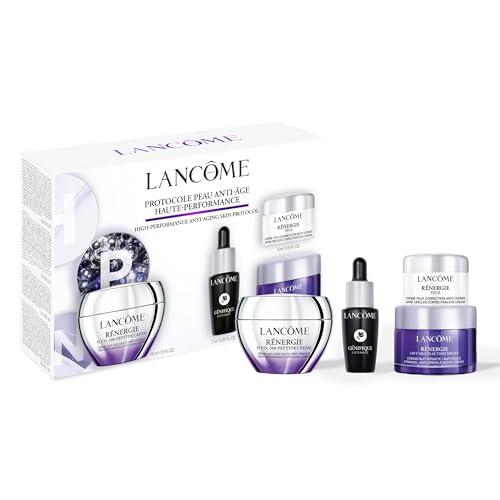

Yes, you can use an LED face mask with skincare products, though the timing and type of product you choose will determine whether the combination is effective or counterproductive. LED light therapy works best on clean or lightly moisturized skin, and some products can actually reduce the mask’s effectiveness or cause irritation when layered incorrectly.
Want to compare every option side by side? See our LED Face Mask Comparison Chart, with specs for all the LED face masks we track.


Pros
- High LED count ensures strong, even light delivery for effective sessions.
- Non-contact design promotes hygiene and allows use with makeup.
- Adjustable chin piece offers customizable coverage for face and neck.
- Award-winning innovation adds credibility to the device's performance.
- Sleek, durable build quality suitable for daily at-home use.
Cons
- Premium price point may be prohibitive for budget-conscious buyers.
- No customer reviews yet, so long-term real-world results are unverified.
- Requires consistent use over several weeks to see noticeable improvements.
The MitoGLOW LED Face Mask is a premium at-home light therapy device designed for the face and neck. It features 1,064 high-density LED chips that deliver powerful, broad-spectrum coverage, making it a strong choice for anyone looking to improve skin tone, reduce fine lines, or boost collagen production.
Its standout feature is the rotatable chin section, which allows you to adjust the light positioning across both face and neck for consistent, targeted treatment. The non-contact design means the mask hovers comfortably above your skin, so you can use it while wearing makeup or without worrying about hygiene issues from direct contact.
The mask earned the 'Face Mask Innovation of the Year' award at the 2025 Beauty Innovation Awards, a testament to its thoughtful engineering and premium build quality. The white finish is sleek, and the overall construction feels durable and well-suited to daily use.
One potential drawback is the price, which is on the higher end for home LED devices. Additionally, since there are no customer reviews yet, real-world results are not yet documented, so you are relying on the brand's reputation and clinical claims.
Overall, the MitoGLOW LED Face Mask is an excellent investment for skincare enthusiasts who want professional-grade light therapy at home. If you value full face and neck coverage, hygienic non-contact application, and award-winning design, this device is worth considering.


Pros
- Exceptional comfort and lightweight design makes 15-20 minute sessions feel relaxing rather than burdensome
- Multiple light wavelengths and intensity settings allow customization for different skin concerns and sensitivity levels
- Clinically proven FDA clearance provides confidence in safety and efficacy for anti-aging and acne treatment
- Cordless rechargeable design eliminates tangled wires and allows use anywhere in your home
- Verified users report visible improvements in skin smoothness, brightness, and overall radiance within weeks of consistent use
Cons
- Results require consistent use over several weeks, not an immediate overnight solution for skin concerns
- Limited information on battery life duration per charge and total lifespan before replacement needed
The GlowwithScience LED Light Therapy Mask is a clinically-cleared home skincare device designed for anyone seeking professional anti-aging and acne treatment without expensive salon visits. This rechargeable mask uses FDA-cleared technology to deliver targeted light therapy that reduces wrinkles, improves skin texture, and promotes a radiant complexion.
The standout feature is its 7-color light system with adjustable intensity levels, allowing users to customize treatments based on their specific skin needs. The combination of 660nm red light and 850nm infrared wavelengths penetrates deep into the skin to stimulate collagen production, reduce inflammation, and accelerate cell renewal. Verified purchasers consistently report visible improvements in skin smoothness, brightness, and overall appearance within 2-3 weeks of regular use.
Build quality is excellent, with soft medical-grade silicone construction that feels premium and comfortable against the skin. The lightweight design and cordless rechargeable battery make it practical for daily use. The mask fits securely without slipping and allows hands-free relaxation during treatment sessions, transforming skincare into a spa-like experience at home.
The primary consideration is that visible results require consistent use over time rather than providing overnight transformation. Additionally, while the rechargeable design is convenient, specific details about battery longevity per charge would help users plan their routine more effectively.
Overall, this is an excellent investment for anyone serious about anti-aging skincare or acne treatment. The FDA clearance, multiple light settings, comfortable design, and strong user satisfaction make it a top choice in the home light therapy category. Highly recommended for daily skincare routines.
LED light therapy works by delivering specific wavelengths of light energy directly into the skin, stimulating cellular processes that improve appearance and health. Red light at 660nm penetrates the dermis to boost collagen and elastin production, reducing fine lines and wrinkles while improving skin texture and firmness.
Infrared light at 850nm penetrates even deeper, promoting cellular energy production and reducing inflammation. This wavelength is particularly effective for anti-aging, skin tightening, and supporting the skin's natural healing processes. The combination of these wavelengths addresses multiple skin concerns simultaneously, making multi-color LED masks more effective than single-wavelength devices.
Regular use of LED light therapy has been clinically proven to reduce signs of aging, diminish acne-causing bacteria, improve skin tone and texture, and enhance overall skin health. Results are cumulative and improve with consistent use over 4-12 weeks of treatment.
LED light therapy masks are ideal for individuals concerned with anti-aging, acne treatment, skin texture improvement, or anyone seeking professional skincare results at home. This device works best as part of a consistent skincare routine rather than a standalone solution.
For best results, use the mask 3-5 times per week for 15-20 minutes per session. Start with lower intensity settings if you have sensitive skin, then gradually increase as your skin adapts. The multiple light color options allow you to target specific concerns: use red light for anti-aging and collagen stimulation, or adjust colors based on your skin's current needs.
This investment is particularly valuable for those who regularly visit dermatologists or aestheticians for similar treatments, as it pays for itself within a few professional sessions. The comfortable design and cordless convenience make it easy to incorporate into your evening skincare routine while relaxing.

Pros
- Three LED wavelengths target wrinkles, sagging, dark spots, and acne in one device.
- Vibration massage enhances relaxation and circulation, complementing light therapy.
- Quick 9-minute sessions fit easily into busy schedules.
- Cordless and comfortable with eye shields for safe, convenient use.
- FSA eligible, reducing out-of-pocket cost for eligible users.
Cons
- High price point may be prohibitive for budget-conscious buyers.
- Single size may not fit all face shapes perfectly, potentially causing light leakage.
- No verified user reviews yet, making long-term efficacy and durability uncertain.
The TheraFace Mask by Therabody is an advanced LED light therapy device that also incorporates vibration massage. It is designed for individuals looking to reduce wrinkles, tighten skin, treat dark spots, and manage acne, all from the comfort of home. The mask is suitable for both men and women and is FSA eligible.
The mask boasts three times more LEDs than leading competitors, delivering medical-grade red, infrared, and blue light therapy. Users can choose between red for fine lines, red and infrared for skin tightening, or blue for acne. Additionally, a 15-minute vibration therapy option targets pressure points to promote relaxation and improve circulation, enhancing overall skin appearance.
The cordless design allows hands-free use, and the protective eye shields ensure safety even with eyes open. The mask is lightweight at just over one pound and fits comfortably. However, the single size may not suit all face shapes perfectly.
The main drawback is the high price, which may be a barrier for some. Also, as a relatively new product with no user reviews yet, long-term durability and efficacy are unproven. The vibration massage, while beneficial, adds to the cost.
The TheraFace Mask is a premium all-in-one solution for LED therapy and facial massage. If you are willing to invest in your skincare routine and value convenience and speed, this mask is a compelling choice. Its medical-grade lights and quick sessions make it stand out, though the lack of reviews warrants cautious optimism.
Color: White (LED)
Dimensions: 7.1 x 7.9 x 9.1 inches
Weight: 1.1 pounds
Product Group: Beauty
Binding: Health and Beauty
Features: 3 LED therapies (red, red+infrared, blue), vibrating massage, cordless, protective eye shields
How LED Light Penetrates Through Skincare Layers
LED light operates at specific wavelengths designed to reach skin cells beneath the surface. Thick creams, serums, and oils create a barrier that scatters or blocks these wavelengths, reducing how much light actually reaches your skin. The thicker the product layer, the less effective the treatment becomes.
Lightweight, water-based products like hydrating toners or gel moisturizers allow more light to pass through while still providing some skin benefits. The key is understanding which products are occlusive (heavy, barrier-forming) versus those that are more permeable to light.
Serums and Lightweight Moisturizers During LED Treatment
Thin serums and gel-based moisturizers are generally safe to use with LED masks. These products won’t significantly block light penetration and can actually enhance hydration while the light works. Many people apply a hydrating serum before the mask to prep their skin without compromising results.
However, serums containing active ingredients like vitamin C or niacinamide may cause sensitivity when combined with certain LED wavelengths. If you’re using a treatment serum, start with shorter mask sessions to see how your skin responds before committing to your full routine.
Oils and Heavy Creams Block LED Light
Facial oils, thick night creams, and occlusive moisturizers should be applied after your LED session, not before. These products create a barrier that prevents light from reaching deeper skin layers, making your treatment less effective. Waiting 15-30 minutes after your mask to apply heavy products gives the light time to do its work.
If your skin is very dry, apply a light hydrating layer before the mask, then save richer creams for after. This approach gives you both the benefits of LED therapy and the nourishment your skin needs.
Sunscreen and SPF Products During LED Use
Most sunscreens are too thick and reflective to use during an LED mask session. The zinc oxide or titanium dioxide in mineral sunscreen actively reflects light, which defeats the purpose of the treatment. Chemical sunscreens are lighter but still create enough of a barrier to reduce effectiveness.
Apply sunscreen after your LED treatment is complete, especially if you’re using the mask during daytime. The light session itself doesn’t require SPF protection, so you can safely wait the 15-30 minutes it takes to finish before applying sun protection.
Retinoids and Vitamin A Products Need Caution
Retinoids and retinol products can increase skin sensitivity, particularly when combined with certain LED wavelengths like red or blue light. If you use these actives regularly, consider doing your LED mask session on different days or at different times of day to minimize irritation risk.
If you want to use both on the same day, apply retinoid at night and save your LED mask for morning sessions. This separation reduces the chance of over-stimulating your skin barrier and causing redness or sensitivity.
Chemical Exfoliants and LED Masks Together
AHAs, BHAs, and other chemical exfoliants can make skin more sensitive to light therapy. Using both on the same day might trigger irritation, especially if your skin is already reactive. Most dermatologists recommend spacing these treatments by at least 24 hours.
If you want to combine them, exfoliate in the evening and use your LED mask the following morning, allowing your skin barrier time to recover between treatments. This approach lets you benefit from both without overwhelming your skin.
How to Use an LED Face Mask With Skincare Products Safely
- Start with clean or very lightly moisturized skin to allow maximum light penetration.
- Apply lightweight, water-based serums or hydrating toners before the mask if your skin feels tight.
- Avoid thick creams, oils, and occlusive moisturizers during your LED session.
- Wait until after your treatment to apply heavy moisturizers, sunscreen, or face oils.
- Space retinoids, chemical exfoliants, and LED therapy by at least 12-24 hours to reduce sensitivity.
- If using treatment serums with active ingredients, start with shorter mask sessions to monitor skin response.
The timing of your skincare routine matters as much as the products themselves. By applying heavier products after your LED session rather than before, you protect the light’s effectiveness while still nourishing your skin.
Frequently Asked Questions
Can I use hyaluronic acid serum with an LED face mask?
Yes, hyaluronic acid serums are lightweight and water-based, so they won’t significantly block LED light. Applying a hydrating serum before your mask can actually help your skin absorb and retain the benefits of the light therapy. Just avoid layering it with heavier products on top.
Should I moisturize before or after using an LED mask?
Light moisturizers can go before, but heavy creams should go after. If you use a thick moisturizer before the mask, you’ll reduce how much light reaches your skin. Apply lightweight hydrating products beforehand and save richer moisturizers for the 15-30 minutes after your session ends.
Can I use an LED mask if I just applied a face mask or treatment?
It depends on the mask type. Sheet masks and clay masks are too occlusive to use during LED therapy. Rinse off any treatment masks completely before using your LED device, or apply your LED mask first and follow with skincare treatments afterward.
Does makeup block LED light from the face mask?
Yes, makeup creates a barrier that reduces light penetration. Always use your LED mask on completely clean skin, removing all makeup, sunscreen, and skincare products first. Think of it like any other light-based treatment that requires a clean canvas to work effectively.
Can I use an LED face mask with prescription acne treatments?
This depends on the specific medication. Some acne treatments increase photosensitivity, making LED therapy risky. Check with your dermatologist before combining prescription treatments with LED masks to avoid unexpected irritation or adverse reactions.
Related Guides
The Bottom Line
You can use an LED face mask with skincare products by timing them correctly and choosing lightweight formulations. Apply your mask on clean or lightly moisturized skin, then save heavy creams and oils for after your session to maximize both the light therapy’s effectiveness and your skin’s hydration.
If you’re unsure about combining specific products with your LED mask, explore how different beauty tools fit into a complete skincare routine to find combinations that work for your skin type.