

Imagine wrapping up a long day, slipping on a lightweight mask, and letting your skin soak in rejuvenating light while you catch up on your favorite show. That is the appeal of wireless LED face masks: they free you from cords and complicated setups, making at-home light therapy truly effortless. In this guide, we evaluate the best wireless LED face masks of 2026, focusing on models that combine effective wavelengths, comfort, and portability. Whether you are targeting fine lines, blemishes, or uneven tone, these devices offer a salon-quality experience from the comfort of your home. For more on combining red and blue light, check out our guide to LED face masks with red and blue light.

Pros
- Ultra-lightweight design (145g) for comfortable, hands-free wear
- Wireless operation with built-in controls for easy, portable use
- Comprehensive LED coverage with 272 beads across multiple wavelengths
- Rechargeable battery supports up to 6 sessions per charge
- Adjustable straps and eye shield enhance comfort and reduce glare
Cons
- Limited to a single 10-minute auto-timer session; may not suit those preferring longer treatments
- No separate remote or app control, which some users might prefer for customization
- Effectiveness depends on consistent use over weeks; individual results may vary
The XSSNVV Red Light Therapy Mask brings professional-grade LED skincare into your home with a sleek, wireless design. It is perfect for anyone looking to improve skin firmness, smoothness, and manage oiliness without frequent salon visits. This mask combines red, near-infrared, and blue light to address multiple skin concerns in one easy-to-use device.
Standout features include the 4-in-1 multi-wavelength therapy and the 272 precision LEDs that deliver balanced coverage across the entire face. The 27mW/cm² irradiance falls within the recommended safe range for at-home use, and the 10-minute auto-timer makes sessions consistent and hassle-free. In real-world use, the mask feels comfortable and stays in place thanks to the adjustable straps, allowing you to relax or multitask during treatment.
Design and build quality are impressive, especially the ultra-light 145g silicone construction that is far more comfortable than bulky hard-shell alternatives. The built-in eye shield reduces glare, and the on-mask controls eliminate the need for a separate remote. The rechargeable battery holds enough power for six sessions, making it convenient for weekly routines.
One potential drawback is the fixed 10-minute session length, which may not suit those who prefer longer treatments. Additionally, the lack of app or remote control means you cannot customize settings beyond the preset modes. However, for most users, the simplicity is a plus.
Overall, the XSSNVV Red Light Therapy Mask offers excellent value for its price, combining effective multi-wavelength therapy with a comfortable, wireless design. It is a solid choice for anyone seeking a reliable at-home LED mask that delivers visible results with consistent use.

Pros
- Effective results visible within weeks of consistent use, with noticeably smoother and more radiant skin
- Versatile 4-mode light system addresses multiple skin concerns including acne, texture, and aging
- Rechargeable battery provides convenience and cost savings compared to battery-dependent models
- Comfortable, lightweight construction makes it easy to incorporate into evening skincare routines
- Reliable build quality and thoughtful features like timer and auto shut-off enhance user experience
Cons
- Velcro strap may not provide optimal security for all face shapes, requiring users to lay down during treatment
- Eye hole alignment could be better designed for more precise facial coverage
- May take several weeks of consistent daily use to see noticeable improvements in skin appearance
The INIA Red Light Therapy Mask is a wearable LED light therapy device designed for at-home skincare treatments using 850nm near-infrared (NIR) light combined with red and blue LED wavelengths. This mask is ideal for anyone looking to elevate their skincare routine without visiting expensive spas or dermatology clinics, from skincare enthusiasts to those dealing with acne-prone or aging skin.
The standout feature is its multi-mode light system that allows users to customize treatments based on their specific needs. The 850nm NIR wavelength penetrates deeper into the skin to stimulate collagen production and cellular repair, while red and blue light modes address surface-level concerns like inflammation and breakouts. Users report visible improvements in skin clarity, texture, and radiance within 2-4 weeks of consistent use, with many noting their skin looks smoother, brighter, and more refreshed.
Build quality is solid with a lightweight, comfortable design that won't cause fatigue during 15-20 minute sessions. The rechargeable battery eliminates the hassle of replacing batteries and provides multiple treatment sessions per charge. The inclusion of a timer and auto shut-off feature makes the device user-friendly and ensures consistent treatment duration without manual monitoring.
The primary limitation is the Velcro strap design, which some users find insufficient for keeping the mask secure while moving around. Most users address this by laying down during treatment. Additionally, eye hole alignment could be more precise, though this doesn't significantly impact treatment effectiveness for most users.
Overall, the INIA Red Light Therapy Mask delivers professional-grade results at a fraction of spa costs. With its effective light wavelengths, comfortable design, and smart features, it's a worthwhile investment for anyone committed to improving their skin's health and appearance through consistent at-home light therapy.
Red light therapy and near-infrared (NIR) light work by penetrating the skin at different depths to stimulate cellular processes. The 850nm NIR wavelength used in this mask penetrates deeper into dermal layers, stimulating mitochondrial function and increasing ATP production, which energizes skin cells and promotes collagen synthesis.
Red light wavelengths work primarily at the surface level, reducing inflammation and supporting healing processes. Blue light targets bacteria associated with acne breakouts, making it effective for acne-prone skin. By combining these wavelengths in a 4-mode system, the INIA mask addresses multiple skin concerns simultaneously or allows you to rotate modes based on your current skincare goals.
Consistent use over 4-8 weeks typically produces visible results including improved skin texture, reduced breakouts, enhanced firmness, and increased radiance. Results depend on consistent application, skin type, and individual factors, but most users report noticeable improvements with daily 15-20 minute sessions.
Light Technology: 850nm NIR, Red LED, and Blue LED with 4 adjustable modes
Power Source: Rechargeable Lithium Ion battery (included)
Dimensions: 12.68 x 9.09 x 1.93 inches
Weight: 1.87 pounds
Design Features: Adjustable Velcro strap, lightweight construction, timer function, auto shut-off
Manufacturer: INIA
ASIN: B0FLDP8Y5W

Pros
- Exceptional comfort and lightweight design makes 15-20 minute sessions feel relaxing rather than burdensome
- Multiple light wavelengths and intensity settings allow customization for different skin concerns and sensitivity levels
- Clinically proven FDA clearance provides confidence in safety and efficacy for anti-aging and acne treatment
- Cordless rechargeable design eliminates tangled wires and allows use anywhere in your home
- Verified users report visible improvements in skin smoothness, brightness, and overall radiance within weeks of consistent use
Cons
- Results require consistent use over several weeks, not an immediate overnight solution for skin concerns
- Limited information on battery life duration per charge and total lifespan before replacement needed
The GlowwithScience LED Light Therapy Mask is a clinically-cleared home skincare device designed for anyone seeking professional anti-aging and acne treatment without expensive salon visits. This rechargeable mask uses FDA-cleared technology to deliver targeted light therapy that reduces wrinkles, improves skin texture, and promotes a radiant complexion.
The standout feature is its 7-color light system with adjustable intensity levels, allowing users to customize treatments based on their specific skin needs. The combination of 660nm red light and 850nm infrared wavelengths penetrates deep into the skin to stimulate collagen production, reduce inflammation, and accelerate cell renewal. Verified purchasers consistently report visible improvements in skin smoothness, brightness, and overall appearance within 2-3 weeks of regular use.
Build quality is excellent, with soft medical-grade silicone construction that feels premium and comfortable against the skin. The lightweight design and cordless rechargeable battery make it practical for daily use. The mask fits securely without slipping and allows hands-free relaxation during treatment sessions, transforming skincare into a spa-like experience at home.
The primary consideration is that visible results require consistent use over time rather than providing overnight transformation. Additionally, while the rechargeable design is convenient, specific details about battery longevity per charge would help users plan their routine more effectively.
Overall, this is an excellent investment for anyone serious about anti-aging skincare or acne treatment. The FDA clearance, multiple light settings, comfortable design, and strong user satisfaction make it a top choice in the home light therapy category. Highly recommended for daily skincare routines.
LED light therapy works by delivering specific wavelengths of light energy directly into the skin, stimulating cellular processes that improve appearance and health. Red light at 660nm penetrates the dermis to boost collagen and elastin production, reducing fine lines and wrinkles while improving skin texture and firmness.
Infrared light at 850nm penetrates even deeper, promoting cellular energy production and reducing inflammation. This wavelength is particularly effective for anti-aging, skin tightening, and supporting the skin's natural healing processes. The combination of these wavelengths addresses multiple skin concerns simultaneously, making multi-color LED masks more effective than single-wavelength devices.
Regular use of LED light therapy has been clinically proven to reduce signs of aging, diminish acne-causing bacteria, improve skin tone and texture, and enhance overall skin health. Results are cumulative and improve with consistent use over 4-12 weeks of treatment.
LED light therapy masks are ideal for individuals concerned with anti-aging, acne treatment, skin texture improvement, or anyone seeking professional skincare results at home. This device works best as part of a consistent skincare routine rather than a standalone solution.
For best results, use the mask 3-5 times per week for 15-20 minutes per session. Start with lower intensity settings if you have sensitive skin, then gradually increase as your skin adapts. The multiple light color options allow you to target specific concerns: use red light for anti-aging and collagen stimulation, or adjust colors based on your skin's current needs.
This investment is particularly valuable for those who regularly visit dermatologists or aestheticians for similar treatments, as it pays for itself within a few professional sessions. The comfortable design and cordless convenience make it easy to incorporate into your evening skincare routine while relaxing.
Pros
- Dual red and blue light technology addresses multiple skin concerns in one device
- 450 LED chips provide powerful, even light distribution across the entire face
- Plug-in design ensures reliable, long-lasting performance without battery replacement
- 4D contoured mask fits most face shapes for comfortable, consistent treatment sessions
- Proven anti-aging and acne-fighting results backed by customer satisfaction ratings
Cons
- Plug-in requirement limits portability compared to battery-powered alternatives
- Initial investment may be higher than single-function light therapy devices
- Results typically appear after consistent use over several weeks, requiring commitment
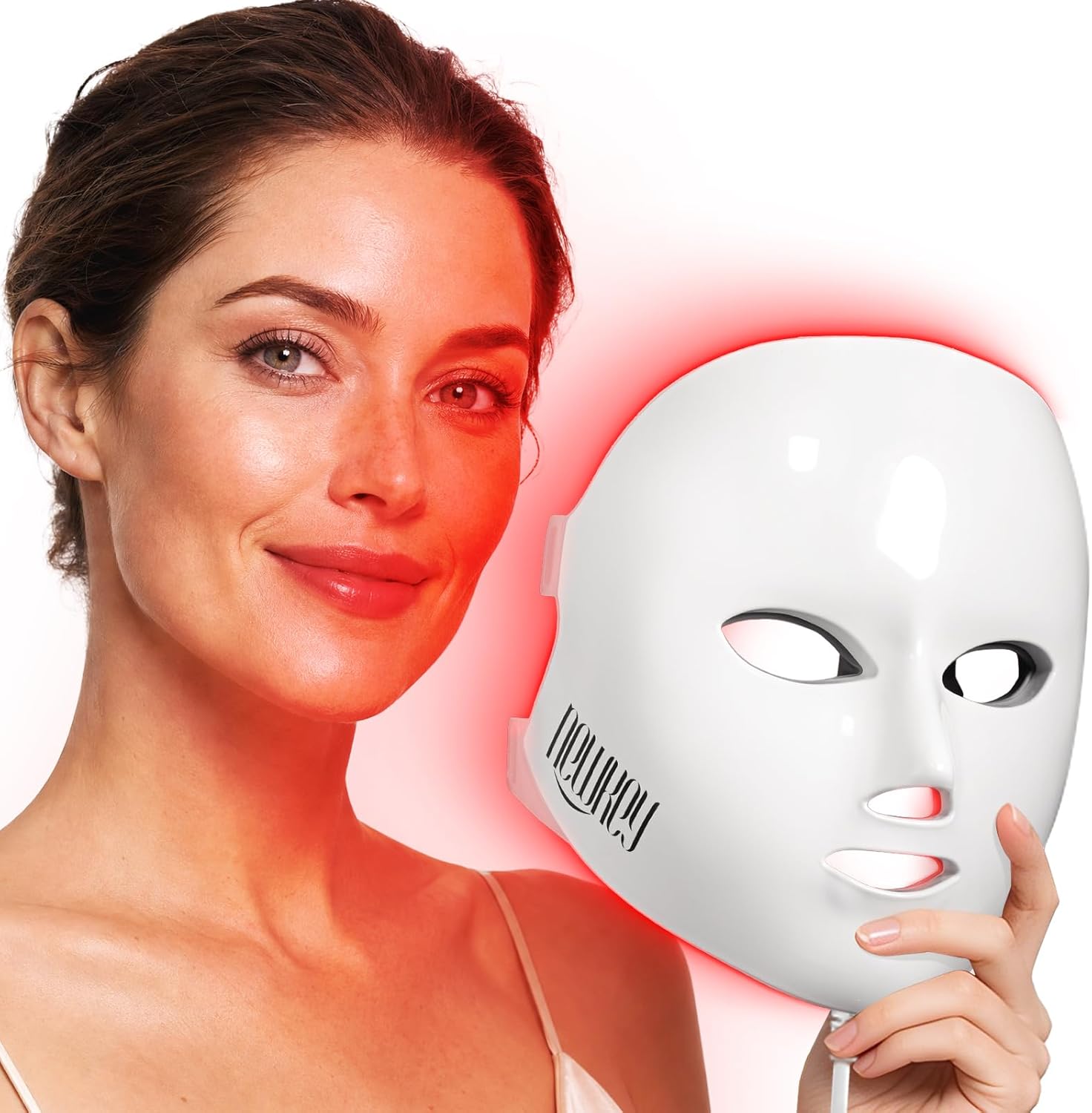
The NEWKEY 4D LED Red Light Therapy Mask is a comprehensive at-home skin treatment device designed for anyone serious about reducing wrinkles, fighting acne, and restoring natural radiance. This plug-in mask combines 630nm red light and blue light wavelengths with 450 strategically-placed LED chips to deliver professional-grade results without salon visits or expensive treatments.
The standout feature is the dual-wavelength technology that addresses multiple skin concerns simultaneously. The 630nm red light penetrates deep into the skin to stimulate collagen production, reduce fine lines, and improve skin texture, while the blue light targets acne-causing bacteria and helps clear breakouts. Users report visible improvements in skin firmness, clarity, and overall glow within consistent use periods.
The 4D contoured design sets this mask apart from flat-panel alternatives, conforming naturally to facial features for optimal light contact and penetration. The 450 LED chips ensure even, powerful coverage across the entire face without hot spots or dead zones. The plug-in mechanism eliminates battery concerns and guarantees consistent performance for daily or frequent treatments.
One consideration is that this device requires a power outlet, making it less portable for travel. Additionally, meaningful results typically emerge after 4 to 8 weeks of regular use, so patience and consistency are essential. The investment is higher than single-function devices, but the dual-technology approach justifies the cost for those targeting multiple skin concerns.
The NEWKEY 4D LED Mask delivers legitimate anti-aging and acne-fighting performance backed by strong customer ratings. It represents an excellent choice for home-based skin rejuvenation, particularly for those seeking to combine wrinkle reduction with acne control in one efficient, professional-quality device.
LED Technology: 450 advanced LED chips with dual wavelengths (630nm red light and blue light therapy)
Design: 4D contoured mask that conforms to facial features for maximum light penetration and comfort
Power Source: Plug-in AC powered for consistent, reliable daily use
Target Benefits: Anti-wrinkle, collagen stimulation, acne reduction, skin radiance enhancement, and overall skin rejuvenation
Suitable For: All skin types and ages seeking professional-grade at-home light therapy
Application: Home use, personal skincare routine, or as a gift for skin-conscious individuals
Who Should Buy This: If you struggle with wrinkles, acne, uneven skin tone, or dull complexion, this mask combines solutions in one device. It's perfect for those who prefer home-based skincare, want to avoid salon costs, or seek a gift for someone invested in their skin health.
Realistic Expectations: Red light therapy and LED treatments require consistent use over weeks to show results. Plan for regular sessions and be patient with the process. Results improve with ongoing commitment to the routine.
Best Practices: Use the mask on clean skin, follow recommended session durations, and maintain consistency for optimal outcomes. The dual-wavelength design means you don't need separate devices for wrinkles and acne.
Value Consideration: Compare this against salon light therapy costs and multi-device purchases. The 450 LED chips and dual-wavelength technology offer significant value for comprehensive at-home skin treatment.

Pros
- Visible results in skin texture, brightness, and fine line reduction within 2-3 weeks of consistent use
- Wireless convenience eliminates the need for professional treatments or salon appointments
- Multiple light settings target different skin concerns from acne to redness to firmness
- Durable build quality maintains consistent light intensity over extended use
- Magnetic cooling patches provide therapeutic comfort during treatments
Cons
- Heavier weight can cause discomfort or headaches during upright use, best used while lying down
- Single head strap may not secure firmly enough for all face shapes, requiring adjustments
- No built-in timer, requiring manual phone timer to avoid overuse during sleep
The INIA GLOW 4D is a professional-grade wireless red light therapy mask designed for anyone serious about reducing fine lines, improving skin texture, and achieving a more youthful complexion from home. With 320 LEDs and dual near-infrared technology, this device bridges the gap between affordable at-home skincare and expensive professional treatments. It's ideal for those willing to commit to consistent use over weeks and months for cumulative anti-aging benefits.
The standout feature is the combination of red light, blue light, yellow light, and near-infrared technology in one device. Users report noticing brighter, more even-toned skin within weeks, with particular improvements in fine lines around the eyes and mouth, reduced redness, and enhanced firmness. The wireless design is genuinely liberating, allowing you to move freely or simply relax while the mask works. Battery life remains consistent even after months of regular use, typically requiring just one weekly charge.
Build quality is solid and well-engineered. The mask feels premium despite its price point, and the adjustable velcro straps accommodate different head sizes. The included magnetic cooling ice packs add a spa-like element that enhances both comfort and results. The interface is refreshingly simple: charge, press a button to select your light mode, and you're done. No complicated apps or messy products required.
The primary drawback is weight. Several users report the mask feels heavy during upright use and can cause headaches or sagging, making it most comfortable when lying down. The single head strap may require adjustment for optimal fit on certain face shapes. Additionally, there's no built-in timer, so you'll need to set a phone reminder to avoid falling asleep with it on.
Verdict: The INIA GLOW 4D delivers legitimate anti-aging benefits at a reasonable price point, provided you commit to consistent 3-4 times weekly use and accept that results are cumulative rather than immediate. Best used while relaxing or lying down to maximize comfort. Highly recommended for dedicated skincare enthusiasts seeking professional-grade red light therapy at home.
Product Dimensions: 8.94 x 7.56 x 4.49 inches
Weight: 1.9 pounds
LED Count: 320 LEDs with dual near-infrared technology
Power: Rechargeable lithium-ion battery (included)
Charging Frequency: Approximately once per week with daily use
Light Modes: Red light, blue light, yellow/amber light, and near-infrared
Design: Wireless with adjustable velcro head straps
Included Accessories: Removable magnetic cooling ice packs
Model Number: SKB-1918P
Manufacturer: INIA
Red Light: Stimulates collagen production, smooths fine lines, and improves overall skin firmness and elasticity. Ideal for anti-aging and general skin health.
Blue Light: Targets acne-causing bacteria and helps calm active breakouts. Best for oily or acne-prone skin types.
Yellow/Amber Light: Reduces redness, calms inflammation, and promotes even skin tone. Perfect for sensitive or reactive skin.
Near-Infrared (NIR): Penetrates deeper into skin layers to support cellular healing, reduce inflammation, boost circulation, and enhance collagen synthesis at the dermal level.
Consistency Matters: Red light therapy delivers cumulative results. Most users see noticeable improvements after 2-3 weeks of consistent 10-15 minute sessions, 3-4 times per week. Results continue to improve over months of regular use.
Buying Guide: What to Look for in a Wireless LED Face Mask
Wavelengths and Light Modes
Different wavelengths serve different skin goals. Red light (around 620 to 630nm) supports collagen production and firmness, while near-infrared (850nm) penetrates deeper for cellular repair. Blue light (460nm) targets acne-causing bacteria. A mask that offers multiple modes lets you customize your session. For a deeper dive into near-infrared benefits, see our best LED face masks with near-infrared article.
Portability and Battery Life
Wireless masks rely on built-in batteries, so look for a rechargeable design that lasts several sessions. A 10-minute auto timer is common, but some models let you adjust duration. Lightweight construction (under 200g) makes it easy to wear while moving around. Consider how often you travel; a compact, cordless mask fits easily into a carry-on.
Comfort and Fit
A comfortable mask encourages consistent use. Soft silicone materials conform to your face without pressure points. Adjustable straps ensure a secure fit for various face shapes. An integrated eye shield reduces glare, letting you relax or read during treatment. The lighter the mask, the less you notice it.
LED Count and Irradiance
More LEDs can mean better coverage, but placement matters. Look for masks with at least 200 LEDs distributed across the forehead, cheeks, chin, and jawline. Irradiance (measured in mW/cm²) should be within safe at-home levels (typically 20 to 30 mW/cm²). Higher energy output can shorten session times, but always follow manufacturer guidelines.
Final Thoughts
After evaluating the top wireless LED face masks, our pick for those who want ultra-light portability and simple one-touch operation is the XSSNVV Red Light Therapy Mask for Face with its 272 LEDs and 145g silicone build. For users seeking deeper penetration with near-infrared and customizable session timers, the INIA Red Light Therapy Mask for Face, 850nm NIR offers a high-capacity battery and multiple light modes. Both models deliver salon-quality light therapy without the hassle of wires, so you can easily integrate them into your daily routine.
Related Guides
- Best LED Face Masks for Uneven Skin Tone
- Best LED Face Masks for Combination Skin
- Best Red Light Face Masks
- The Best Red and Near Infrared Face Masks for 2026
- Best Blue LED Face Masks for Acne in
Frequently Asked Questions
How often should I use a wireless LED face mask?
Most manufacturers recommend using the mask 3 to 6 times per week for 10 to 20 minutes per session. Consistency is key for visible results, which typically appear after 4 to 8 weeks of regular use. Always follow the specific instructions for your model.
Can I use a wireless LED mask while doing other activities?
Yes, that is one of the main advantages of wireless masks. You can read, watch TV, or even do light chores while wearing it. Just ensure the straps are secure and the mask does not obstruct your vision. Some models are designed to be worn hands-free for maximum convenience.
What wavelengths are best for anti-aging?
A combination of red light (630nm) and near-infrared (850nm) is most effective for stimulating collagen and improving skin elasticity. Many masks, including the ones we reviewed, offer both in a single session. For more on this topic, see our best LED face masks for blue light therapy article.
Are wireless LED masks safe for sensitive skin?
LED light therapy is non-invasive and generally safe for all skin types, including sensitive skin. However, if you have a known photosensitivity condition or are taking medications that increase light sensitivity, consult your dermatologist before use. Start with shorter sessions to see how your skin reacts.

