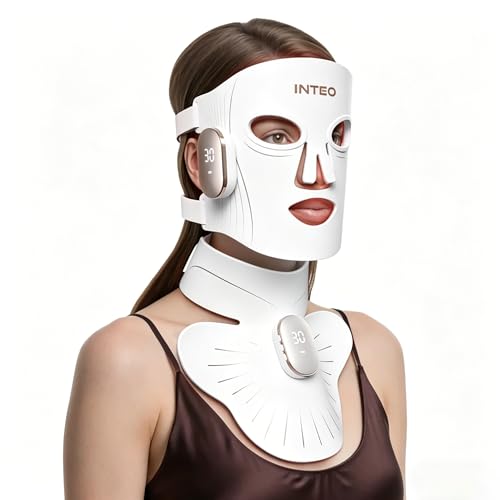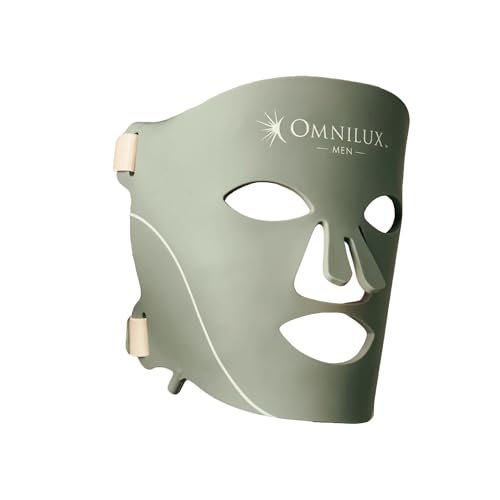

You’ve seen the glowing masks all over social media, but you’re still wondering if they actually work. Maybe you’re tired of expensive facials that only last a week, or you’re looking for a way to tackle fine lines, dark spots, and breakouts from the comfort of your own home. This guide will help you understand the key differences between two top contenders: the Project E Beauty LumaLux Face and the iRestore LED Face Mask for Youthful Skin. We’ll break down their features, wavelengths, and usability so you can decide which LED mask fits your skincare goals.
LED light therapy has become a go-to for non-invasive skin rejuvenation. By delivering specific wavelengths of light to the skin, these masks can stimulate collagen, reduce inflammation, and improve overall tone. In this review, we focus on two powerful devices that promise clinical-level results at home. Whether you’re a skincare newbie or a seasoned enthusiast, this comparison will give you the insights you need.


Pros
- Exceptionally lightweight and comfortable, users report forgetting they're wearing it during sessions
- Magnetic battery attachment clips securely to mask strap, eliminating cord interference
- Superior full-face coverage compared to competitors, including high foreheads and lip area
- Excellent customer service with one-year warranty and responsive support team
- Portable wireless design lets you walk around, read, or watch TV during treatment
Cons
- Nose area fit can feel slightly snug for some users, though most find it acceptable
- Results take time, with manufacturers recommending 12 weeks of consistent use for visible improvements
The iRestore LED Face Mask is a professional-grade light therapy device designed for anyone serious about reducing wrinkles, fine lines, dark spots, and acne. Whether you're dealing with aging skin, acne-prone complexion, or uneven tone, this mask brings FDA-approved therapeutic light technology into your home routine without expensive salon visits.
The standout feature is its 360-LED array, which delivers more than twice the light coverage of competing masks like Omnilux at comparable price points. Users report noticeable skin softness and improved tone within 10-30 days of regular use, with more dramatic results appearing around the 12-week mark. The three light modes (red, blue, and infrared) target different skin concerns, giving you flexibility to customize your treatment based on your specific needs.
Design and comfort are exceptional. The mask weighs just 1.81 pounds and feels so light that many users forget they're wearing it. The three-point strap system keeps it securely in place without pinching ears or feeling restrictive, and the magnetic battery clips to the back without getting in the way. The device covers your entire face, including high foreheads and the lip area, which most competitors leave exposed. Built-in eye protection is solid, with no visible light leakage even during direct inspection.
The main drawback is the premium $399 price tag, which requires commitment before seeing results. The nose area can feel slightly snug for some users, though most find it acceptable. Additionally, visible improvements require consistent use over 12 weeks, so this isn't a quick-fix solution. However, the replaceable battery, one-year warranty, and outstanding customer service make this a long-term investment in your skincare routine.
The iRestore LED Face Mask earns its reputation as a top-tier light therapy device. With superior coverage, comfort, and light output compared to competitors, it's the right choice for anyone ready to invest in professional-quality skincare technology for home use.
Red light therapy works by stimulating mitochondrial function in skin cells, increasing collagen production and improving circulation. The iRestore delivers therapeutic-level wavelengths of red (660nm), infrared (850nm), and blue (415nm) light directly to your skin.
Red light penetrates deeper into the dermis to boost collagen and elastin production, reducing fine lines and wrinkles. Blue light targets acne-causing bacteria on the skin surface, making it effective for breakouts. Infrared light works synergistically with red light to enhance overall collagen stimulation and skin rejuvenation.
Simply wear the mask for 10 minutes, 3-5 times per week. The device automatically shuts off after 10 minutes, and most users integrate it into their evening routine. Results are cumulative, with most people seeing visible improvements after 12 weeks of consistent use.
Light Technology: 360 LED array with red (660nm), blue (415nm), and infrared (850nm) wavelengths. FDA-approved therapeutic light levels.
Battery: External replaceable lithium-ion battery with 2-week runtime on full charge. Magnetic charging connection. Battery level indicator shows remaining charge.
Design: Dimensions 9.25 x 8.9 x 5.16 inches. Weight 1.81 pounds. Three adjustable Velcro straps with soft attachment points. Covers full face including forehead, cheeks, nose, and lip area.
Safety: Built-in eye protection prevents light leakage. Suitable for all skin types. Unisex design for women and men.
Usage: 10-minute sessions, 3-5 times per week. Includes storage bag, cleaning cloth, and easy-to-understand instructions. One-year manufacturer warranty.


Buying Guide: What to Look for in an LED Face Mask
Before you hit that buy button, it’s essential to understand what makes an LED mask effective. Not all masks are created equal, and the right choice depends on your skin’s specific needs. Here are the key criteria we used to evaluate the Project E Beauty LumaLux Face and the iRestore LED Face Mask.
Wavelengths and Light Colors
Different wavelengths penetrate the skin at different depths, and each color targets a specific concern. Red light (around 630-670 nm) is known for collagen stimulation and anti-aging. Infrared light (above 800 nm) reaches deeper layers to promote healing and reduce inflammation. Blue light (around 415 nm) is effective for killing acne-causing bacteria.
The Project E Beauty LumaLux Face boasts an impressive 9 different wavelengths, ranging from 460 nm to 1072 nm, covering red, infrared, and deep infrared. This comprehensive range allows you to address multiple concerns in one session. The iRestore mask offers three wavelengths: red (635 nm), infrared (830 nm), and blue (415 nm), giving you targeted options for anti-aging, calming, and blemish control. Consider which concerns are most important to you when comparing these options.
LED Count and Power
The number of LEDs directly impacts the intensity and coverage of the light. More LEDs typically mean more power and better results, but they can also make the mask heavier and more expensive. The LumaLux Face features a staggering 800 high-power LEDs, which the brand claims is 400% more than the industry average. This ensures maximum light penetration across your entire face.
The iRestore mask comes with 360 LEDs, which is still a solid number and offers 2X the power of some competitors. While fewer than the LumaLux, this is still sufficient for effective treatment, especially if you prefer a lighter mask. If you’re looking for maximum power and coverage, the LumaLux Face is the clear winner. For a balanced approach, the iRestore is a strong contender.
Treatment Time and Convenience
Your time is valuable, so the length of each session matters. The LumaLux Face is designed for quick 3-minute sessions, making it incredibly easy to fit into a busy schedule. You can use it while sipping your morning coffee or before bed. The iRestore requires 10-minute sessions, 3-5 times a week, which is still manageable but a bit more of a commitment.
Both masks are hands-free and comfortable, but the LumaLux’s shorter sessions are a definite advantage for those who struggle to stick to routines. If you’re someone who loves multitasking, the iRestore’s longer session might be a perfect time to catch up on a podcast. Think about your daily habits when deciding which time frame works best for you. Also, consider how each mask fits your face and whether it allows you to move around. For more insights on choosing the right LED mask for specific skin concerns, check out our guide on the best LED face mask for broken capillaries.
Comfort and Design
If a mask isn’t comfortable, you won’t use it. Look for a lightweight design, adjustable straps, and a shape that contours to your face. The LumaLux Face is designed to cover your entire face with LEDs strategically placed, and it hovers slightly to allow light to reach all areas. The iRestore also features a dual-strap design that blocks direct light from your eyes, so you can safely relax or even read during sessions.
Both masks are made with skin-safe materials and are suitable for sensitive skin. The iRestore is praised for its comfortable fit, while the LumaLux’s 800 LEDs might make it slightly heavier. If possible, read user reviews about the fit and weight to ensure it won’t cause discomfort during your sessions. For a deeper dive into how different masks perform on various skin tones, see our article on the best LED face mask for black skin.
Final Thoughts
Choosing between these two powerful LED masks ultimately comes down to your priorities. If you want the most advanced technology with the highest LED count and shortest sessions, the Project E Beauty LumaLux Face is your best bet. If you prefer a lighter, more comfortable mask that offers a balanced set of wavelengths and a trusted brand with decades of research, the iRestore LED Face Mask for Youthful Skin is an excellent choice. Both devices are backed by science and can help you achieve a more radiant, youthful complexion from home.
Related Guides
- Best LED Face Masks for Radiant Skin in 2026
- Best LED Face Masks for Sensitive Skin in 2026
- Best LED Face Masks for Combination Skin in 2026
Frequently Asked Questions
What is the difference between red and infrared light in LED masks?
Red light (around 630-670 nm) works on the surface layers of the skin to boost collagen and reduce fine lines. Infrared light (above 800 nm) penetrates deeper to promote healing and reduce inflammation. Many masks, including the LumaLux Face and iRestore, combine both for comprehensive benefits.
How often should I use an LED face mask to see results?
Consistency is key. For the LumaLux Face, daily 3-minute sessions are recommended. The iRestore suggests 10-minute sessions, 3-5 times per week. Most users start seeing improvements in skin tone and texture within 4-6 weeks of regular use. For a comparison of other popular masks, you might find our OmniLux vs dr dennis gross article helpful.
Can I use an LED face mask while wearing makeup or skincare products?
It’s best to use the mask on clean, dry skin. Some masks, like the iRestore, can be used with serums or moisturizers to enhance absorption. The LumaLux Face is designed for use on bare skin for maximum light penetration. Always follow the manufacturer’s instructions for the best results.
Are LED face masks safe for all skin types?
Yes, LED light therapy is generally safe for all skin types, including sensitive skin. However, if you have any underlying skin conditions or are pregnant, it’s always wise to consult a dermatologist first. Both the LumaLux Face and iRestore are designed with safety features to protect your eyes and skin.
If you’re still exploring your options, you might want to check out our comparison of CurrentBody vs OmniLux red light mask or the omnilux vs CurrentBody series 2 guide to see how other top masks stack up.